Monastery Museum

Monastery Museum

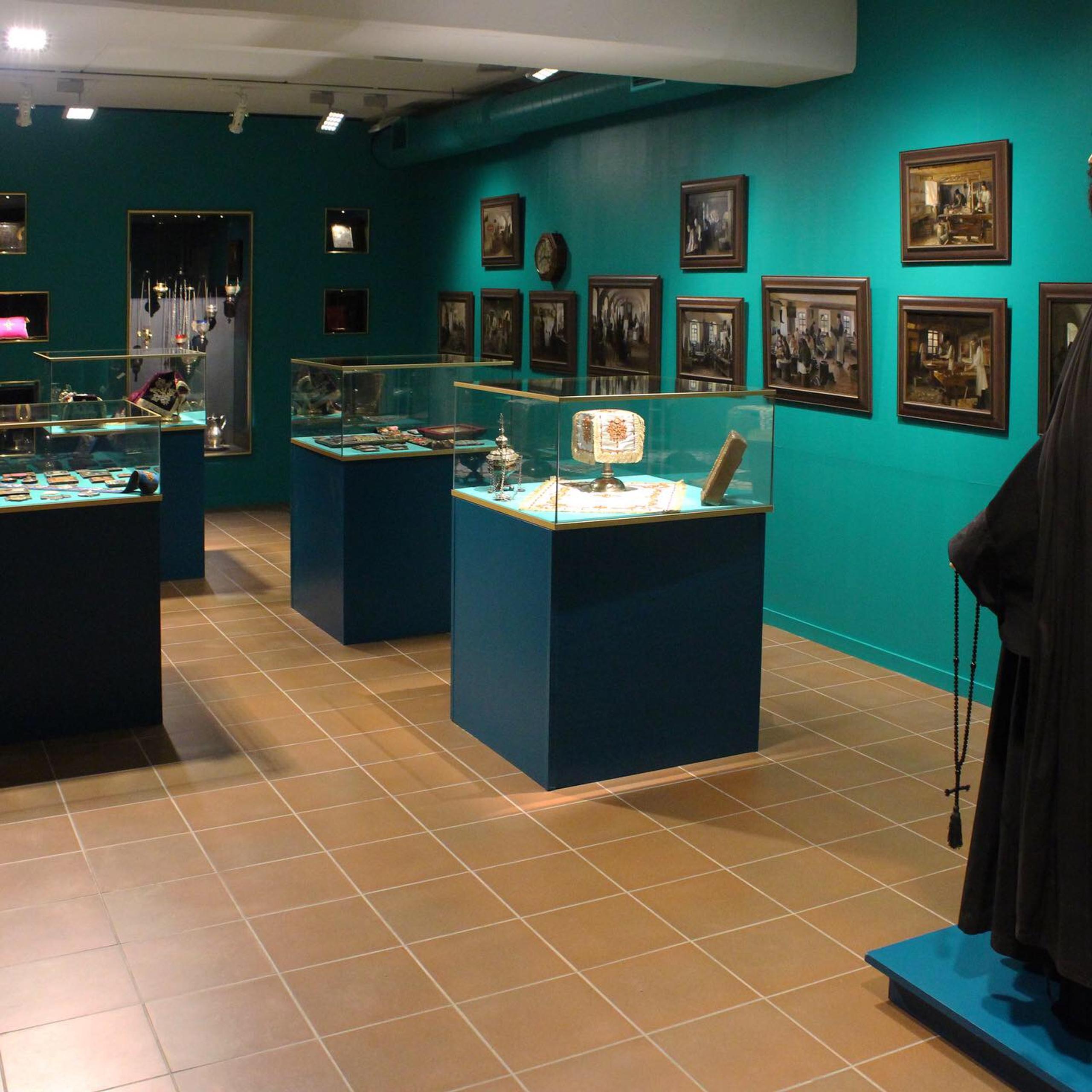
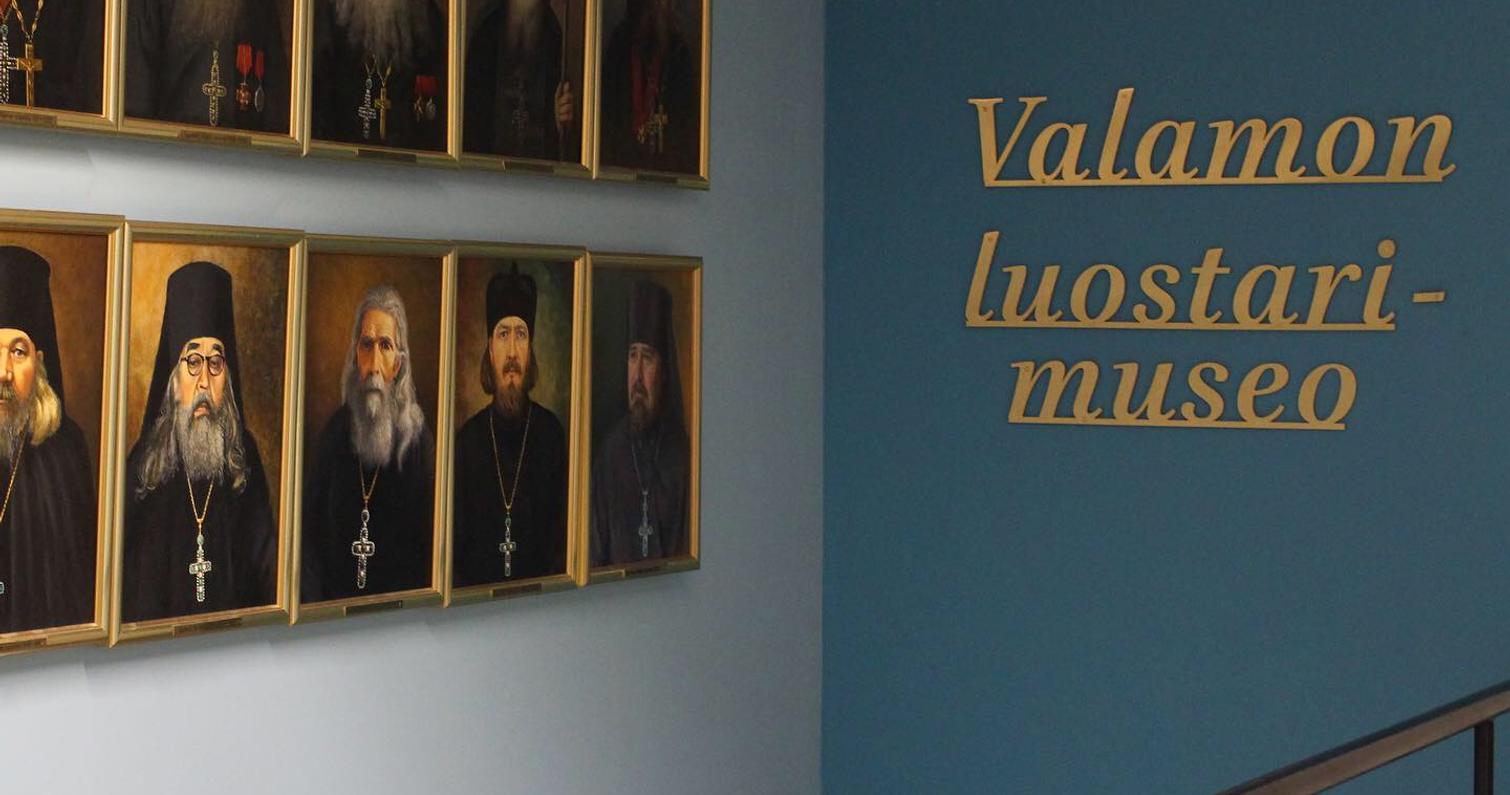
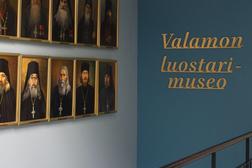
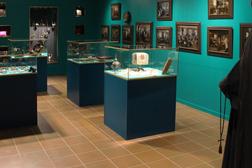
A magnificent, thoroughly renovated monastery museum was opened in Valamo Monastery in June 2019, presenting the history of the monastery and its ecclesiastical artifacts. The monastery museum is one of the most important entities presenting Orthodox culture and life in Finland. Its collection is a significant cross-section of monastic life and Orthodoxy. A large part of the immeasurably valuable artifacts are being presented in the museum for the first time.

The museum is located on the ground floor of the Cultural Center's exhibition hall and can be reached by stairs and an elevator. There is a wheelchair ramp at the entrance to the Cultural Center.

Admission fee €12 / adult. Under 18s free. (with the same ticket for the art exhibition).

The museum is available for groups even during closing hours, with advance reservation.

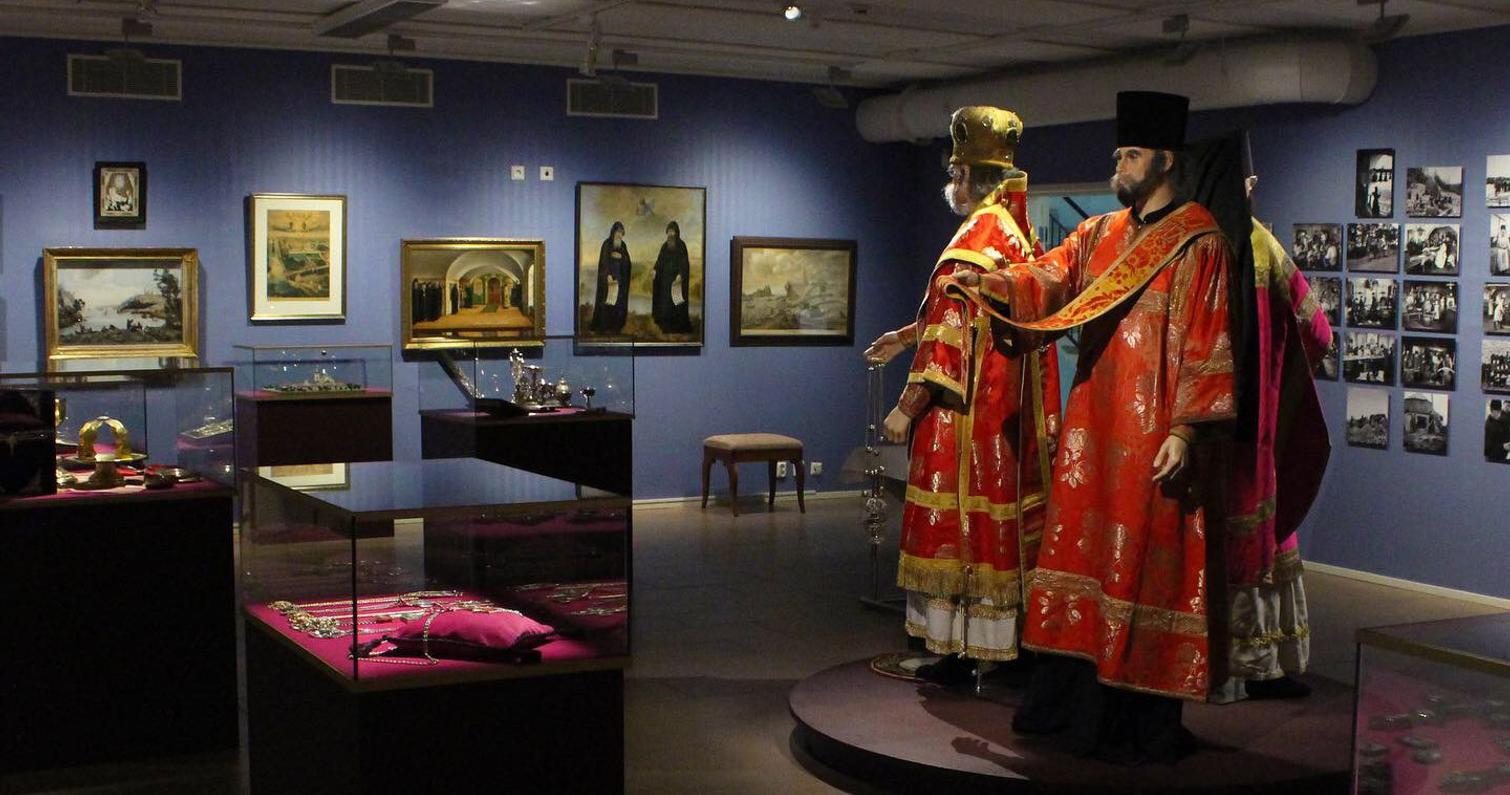
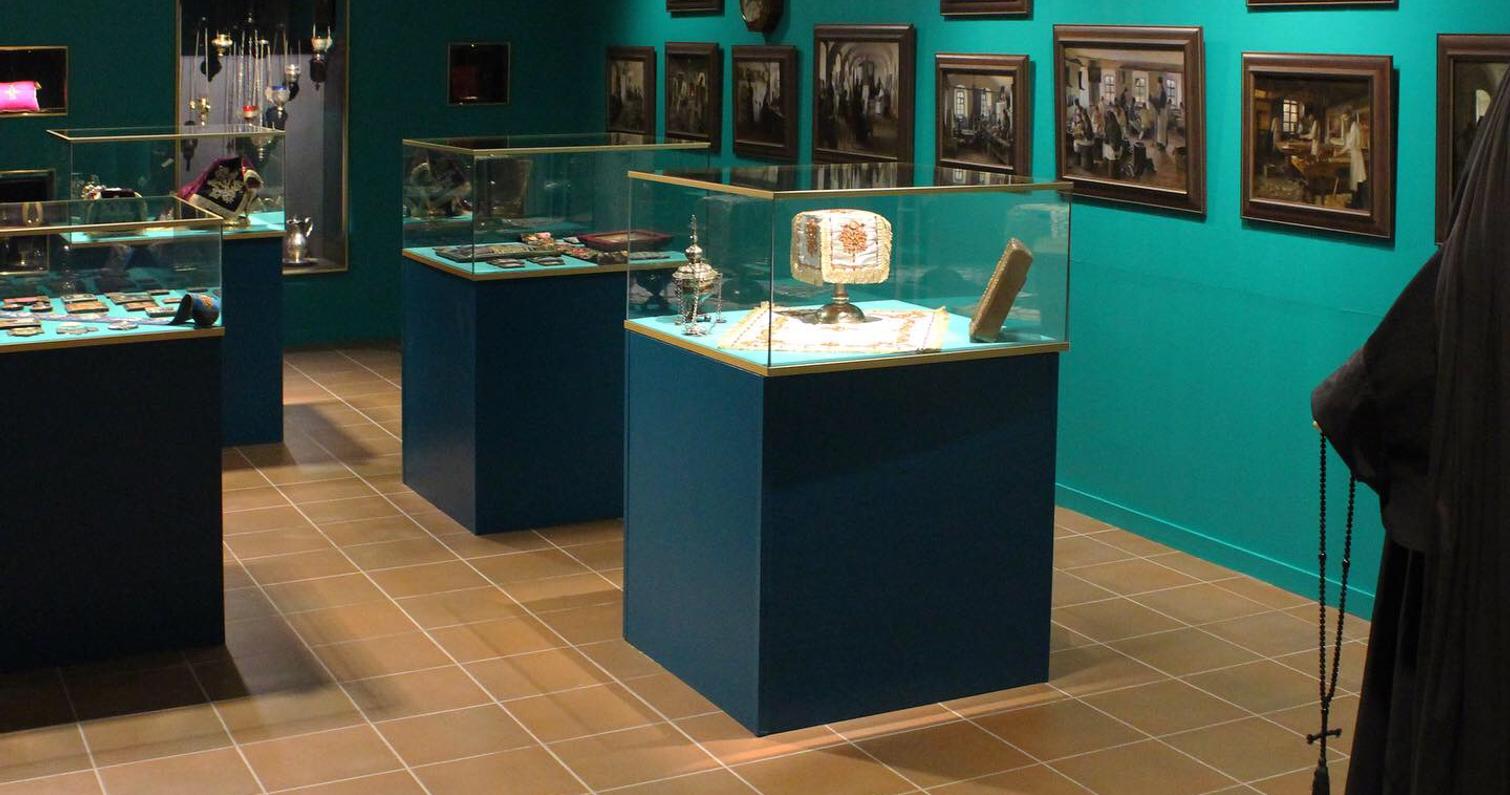
The story and history of the monastery are told through paintings, objects and photographs. The monastery's oldest textiles, imperial donations, and crosses, headdresses and gospel books used by the clergy from the 19th century are on display.

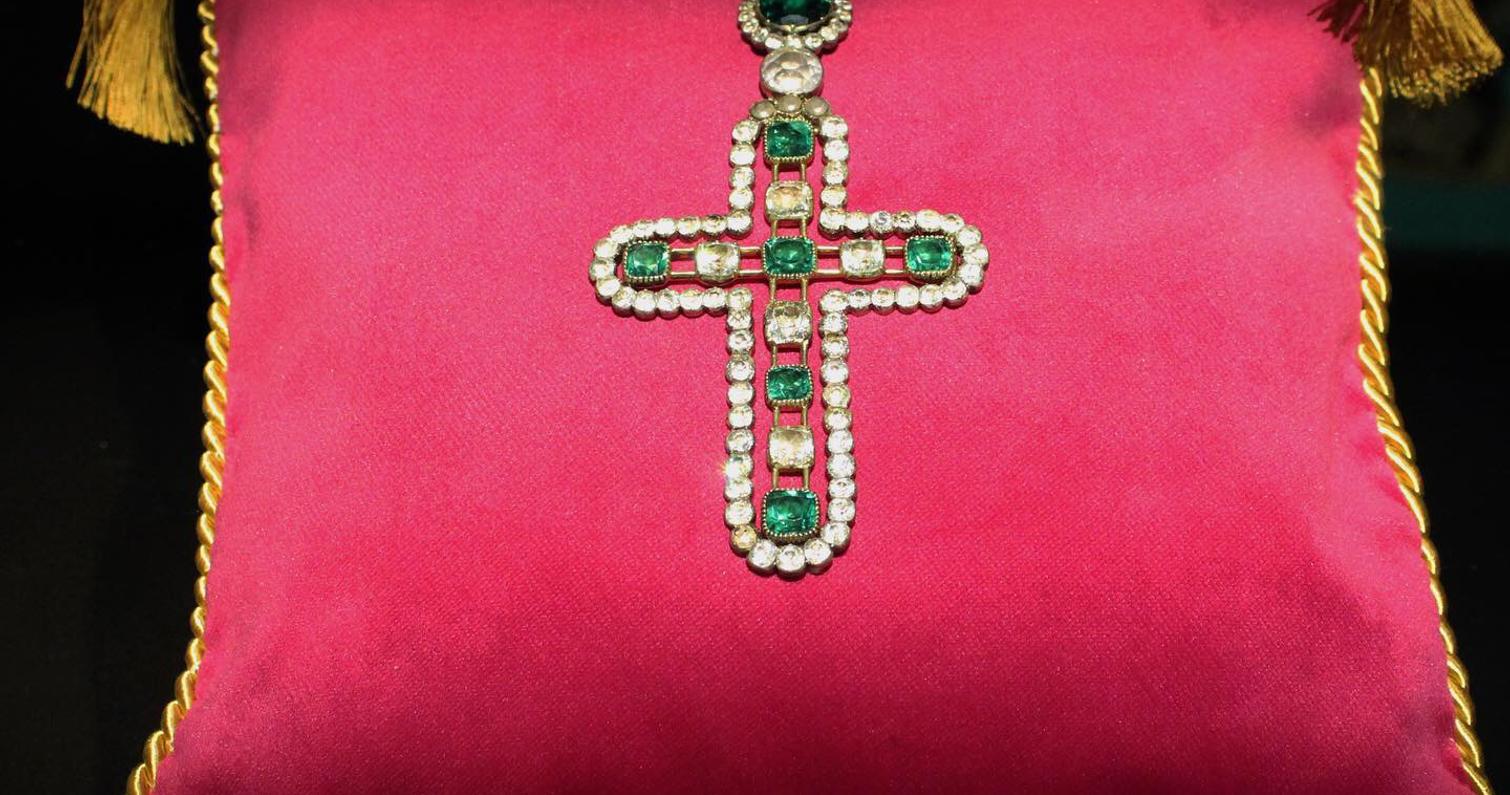
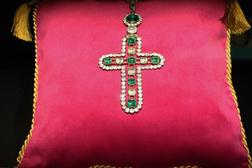
The most significant treasures of the sacral collection are the diamond cross donated by Emperor Alexander I in 1822 and the communion veils donated by Countess Amalie Adlerberg in 1864, whose silver brocade fabric is decorated with, among other things, red cut corals, gold spirals, small gilded pearls, carnelians and agate and jasper plates.

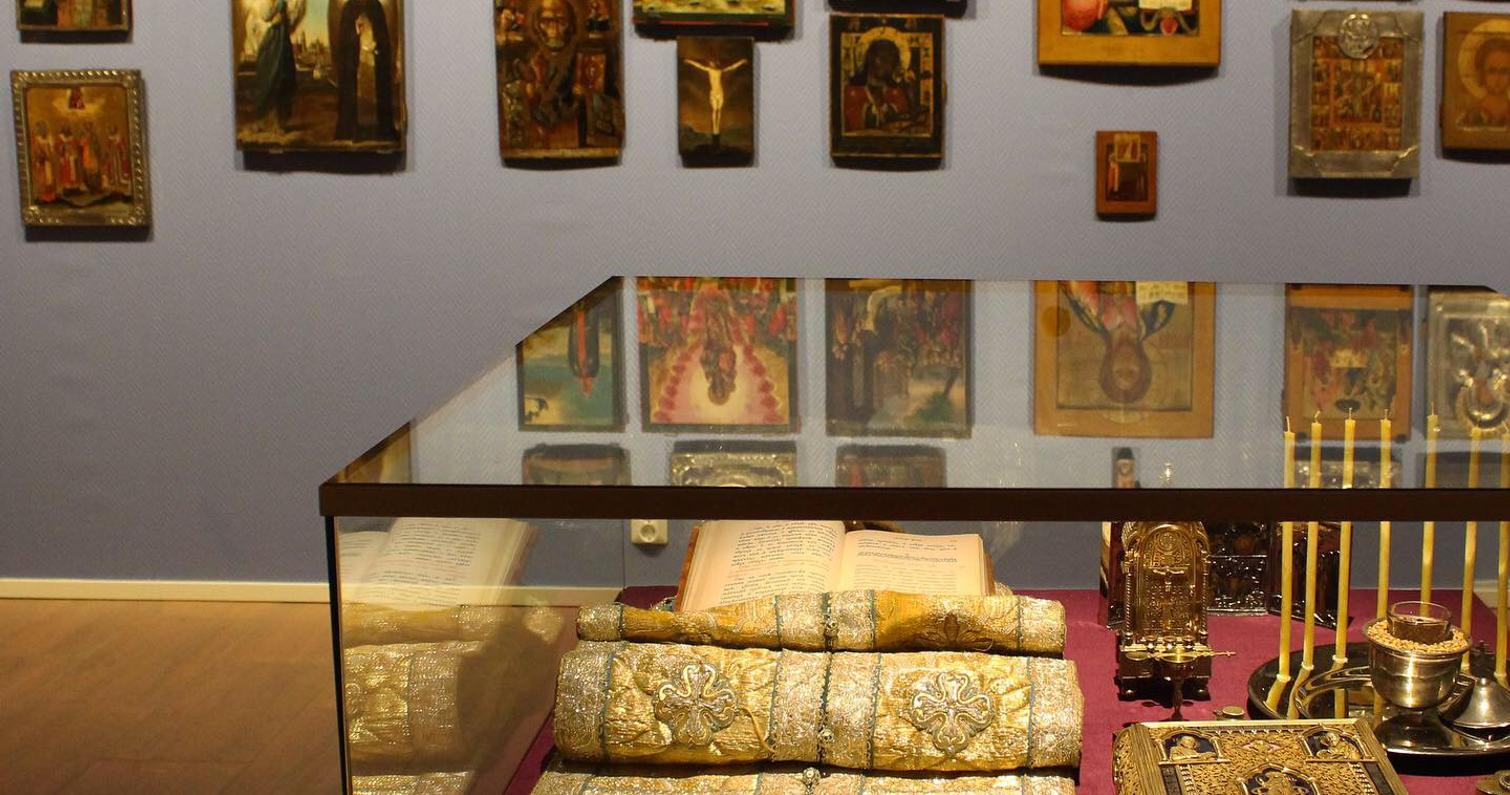
The museum's icon collection is interesting and extensive. In addition to the monastery's own rarities, the significant icon collection of the Valamo Foundation, Katri and Harri Willamo, is presented comprehensively. A cross-section of the entire Willamo collection is on display: from eras, to themes, to material and technical implementations. At the core are folk icons painted in the 19th and 20th centuries, whose simple and colorful style has only recently begun to be understood.

In 2015, 75 years have passed since nearly two hundred monks were evacuated from Valamo, Ladoga, in the winter of 1939-1940 as a result of the war, first to Kannonkoski in Central Finland and from there in the summer of 1940 to the village of Papinniemi in Heinävesi, where the monastery purchased the Saastamoinen manor as a new monastery site.

When the then board of the monastery, led by the abbot Hariton, went to look at the Saastamoinen manor, which was for sale, they were surprised to find a small icon of the founders of the monastery, the holy fathers Sergei and Herman of Valamo, on the wall of a room in the main building. It had come to the Papinniemi manor in a special way back in the 1920s. Prince Henrik of the Netherlands had been visiting Finland and the owner of the manor, Minister Saastamoinen, had treated the guest of honor to Valamo on Lake Ladoga, where the icon had been given to the prince as a souvenir. After that, the guest was brought to rest for a couple of days at the Saastamoinen manor, where the icon had been forgotten by the prince. The minister put the icon on the wall and when the monks saw the icon and heard the story, they understood that this was a sign from God that the monastery should be established here, because the founders of the monastery, the holy fathers Sergei and Herman, were already here through that icon. This icon was among the first to be saved from the fire in the main building.

The exhibition on display in Valamo presents a cross-section of the everyday work of the monastery and church life from the 18th century to the present day.

The exhibition well illustrates the monastery's rapid rise from the ashes to a respected great monastery with many workshops and valuable donations. Liturgical objects; icons and church textiles, demonstrate the high technical and artistic level of Russian handicrafts and arts.