Church building

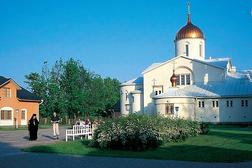
The story of the Orthodox church building

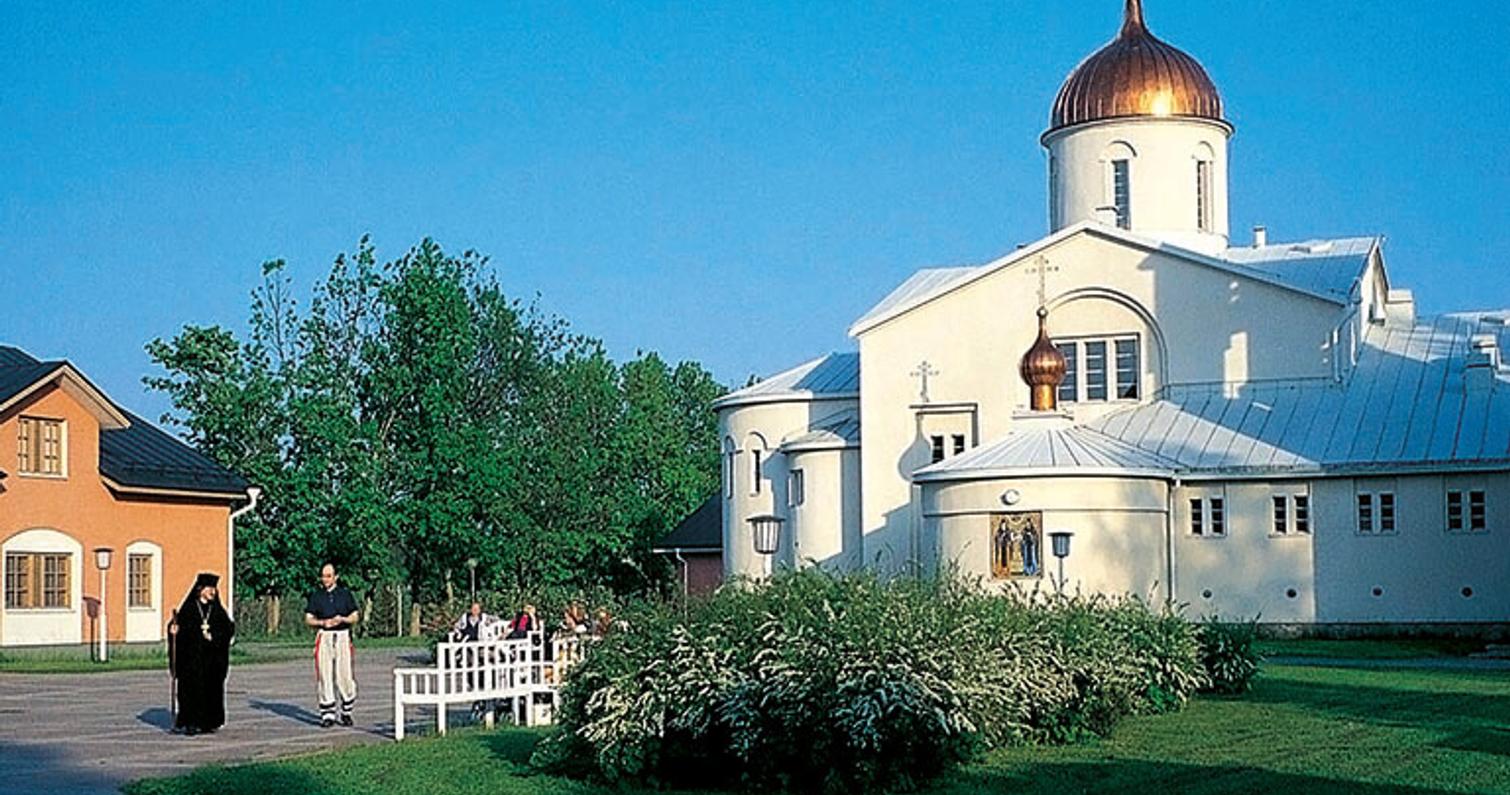
An Orthodox church building is always built in an east-west direction, with the altar room at the east end of the church. The church vestibule represents the repentant world, the church hall represents the earthly, struggling church, and the altar room represents the joyful church and the world to come, i.e. the Kingdom of God, to which the members of the struggling church are on their way.

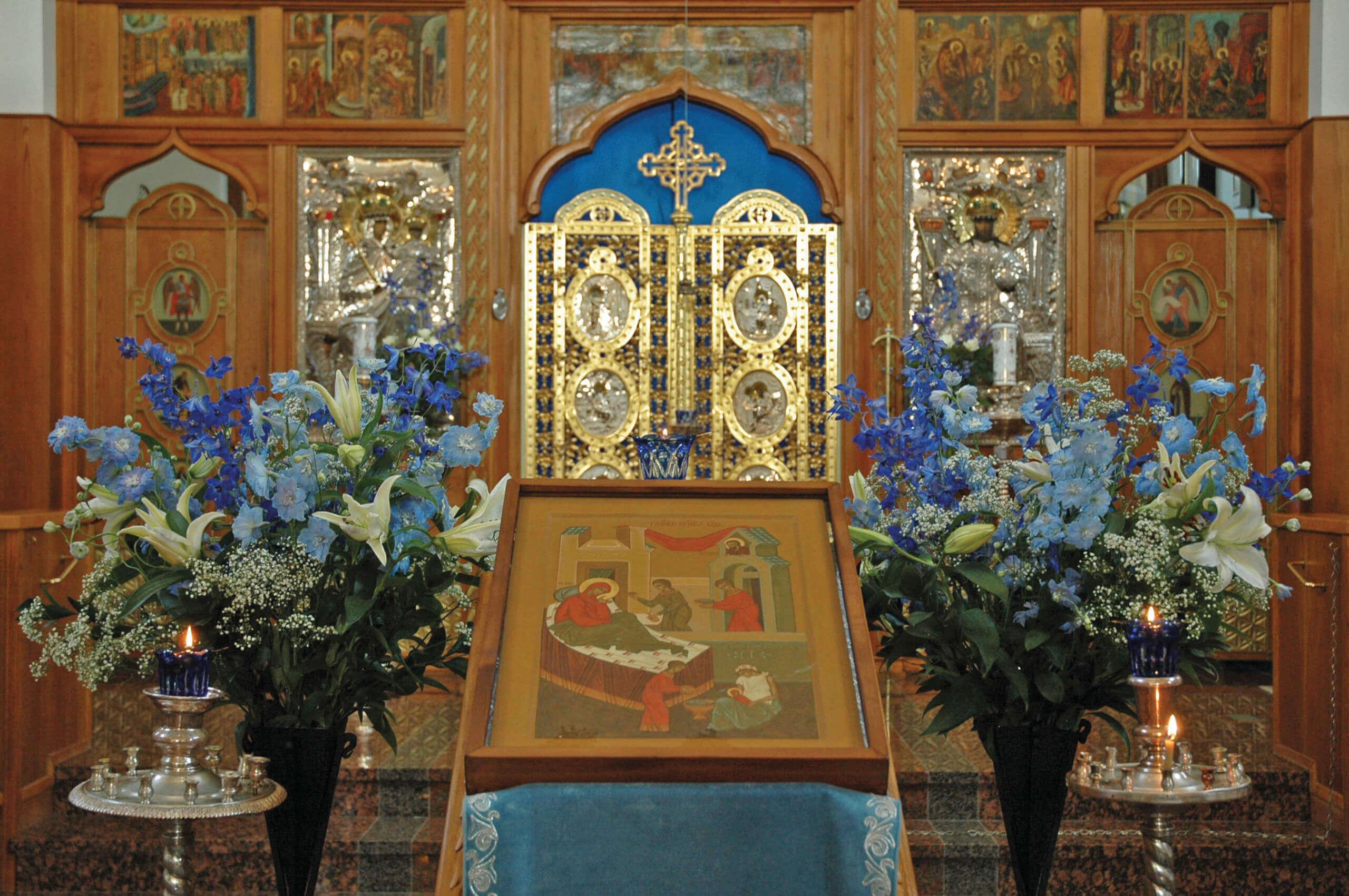
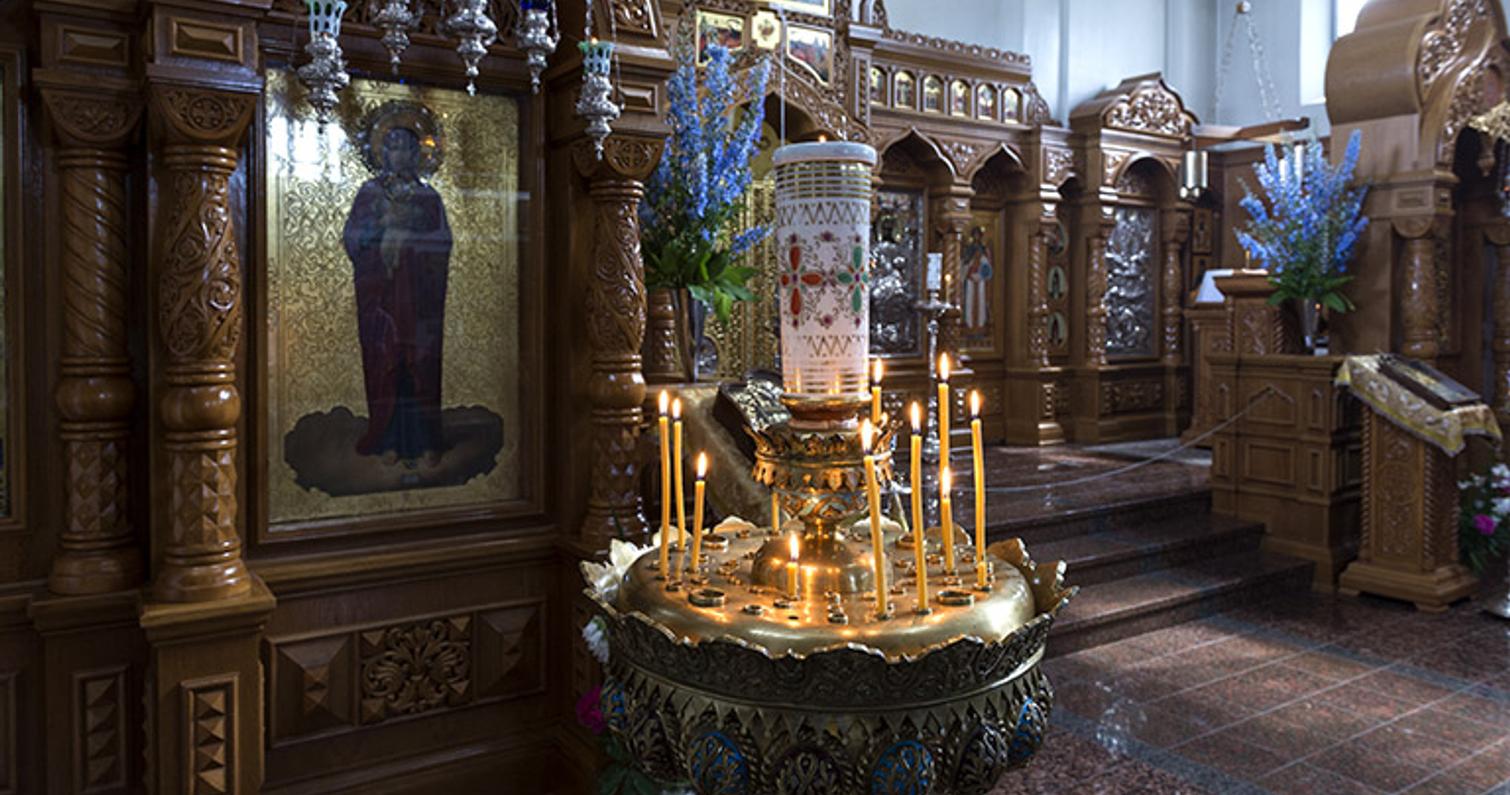
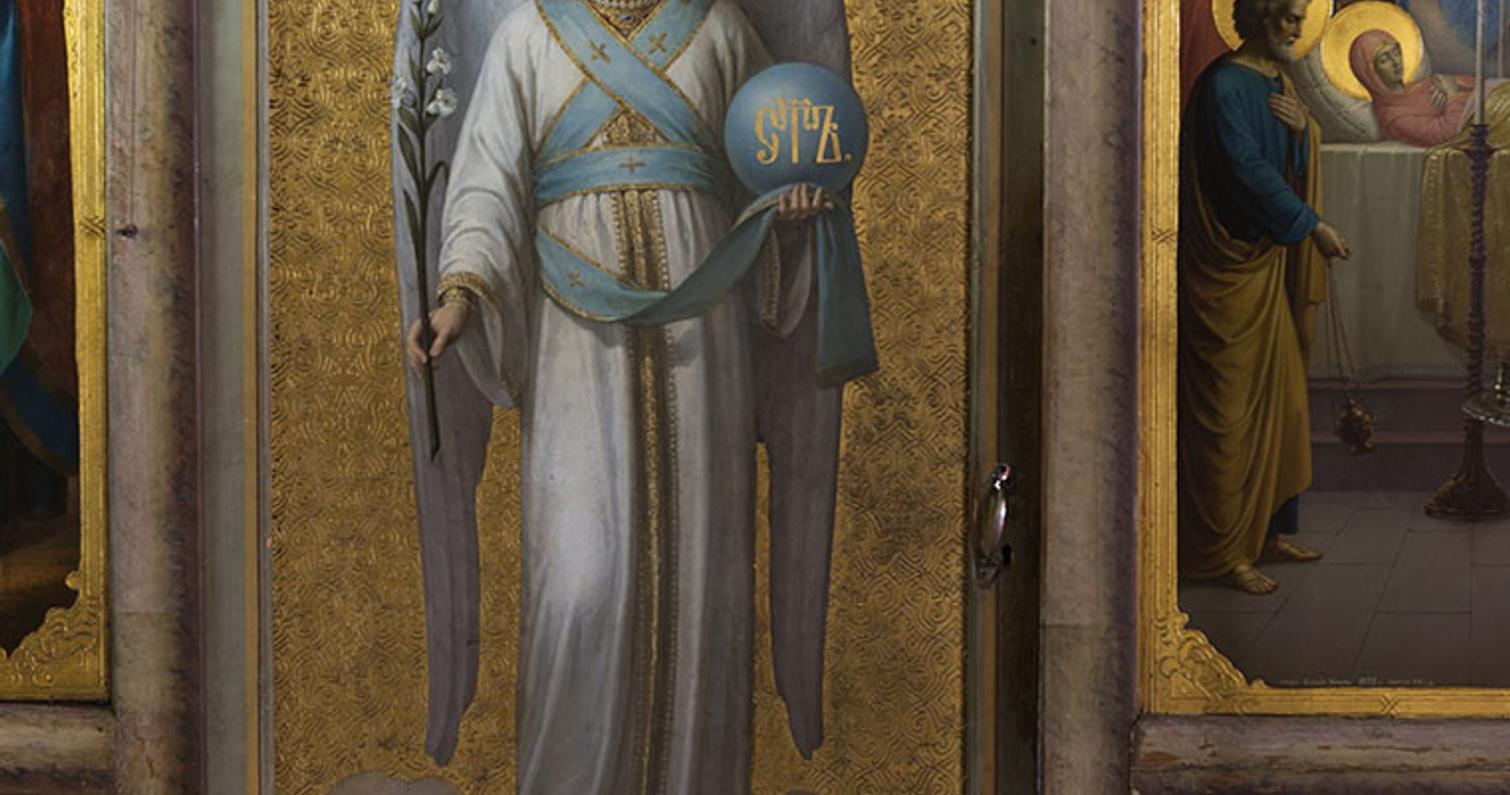
The altar room is connected to the church hall by a picture wall called the iconostasis. All Orthodox churches strive to be built, decorated, and decorated as beautifully as possible, because the church is like heaven on earth. In the Valaam Monastery, this is especially evident during church celebrations, when the church hall is decorated with, for example, abundant flower arrangements.

All Orthodox churches strive to be built, decorated, and decorated as beautifully as possible, because the church is like heaven on earth.

Church Bells

Orthodox church bells are rung by hand approximately twenty minutes before the start of a service. A fifty-beat call is followed by a final chime that attempts to indicate which service is in question.

The bells are also rung during processions, at certain points during the vigil and liturgical services, and when the bishop enters the church. During the Holy Week following Easter, the bells are traditionally rung by anyone around the clock.

Cross

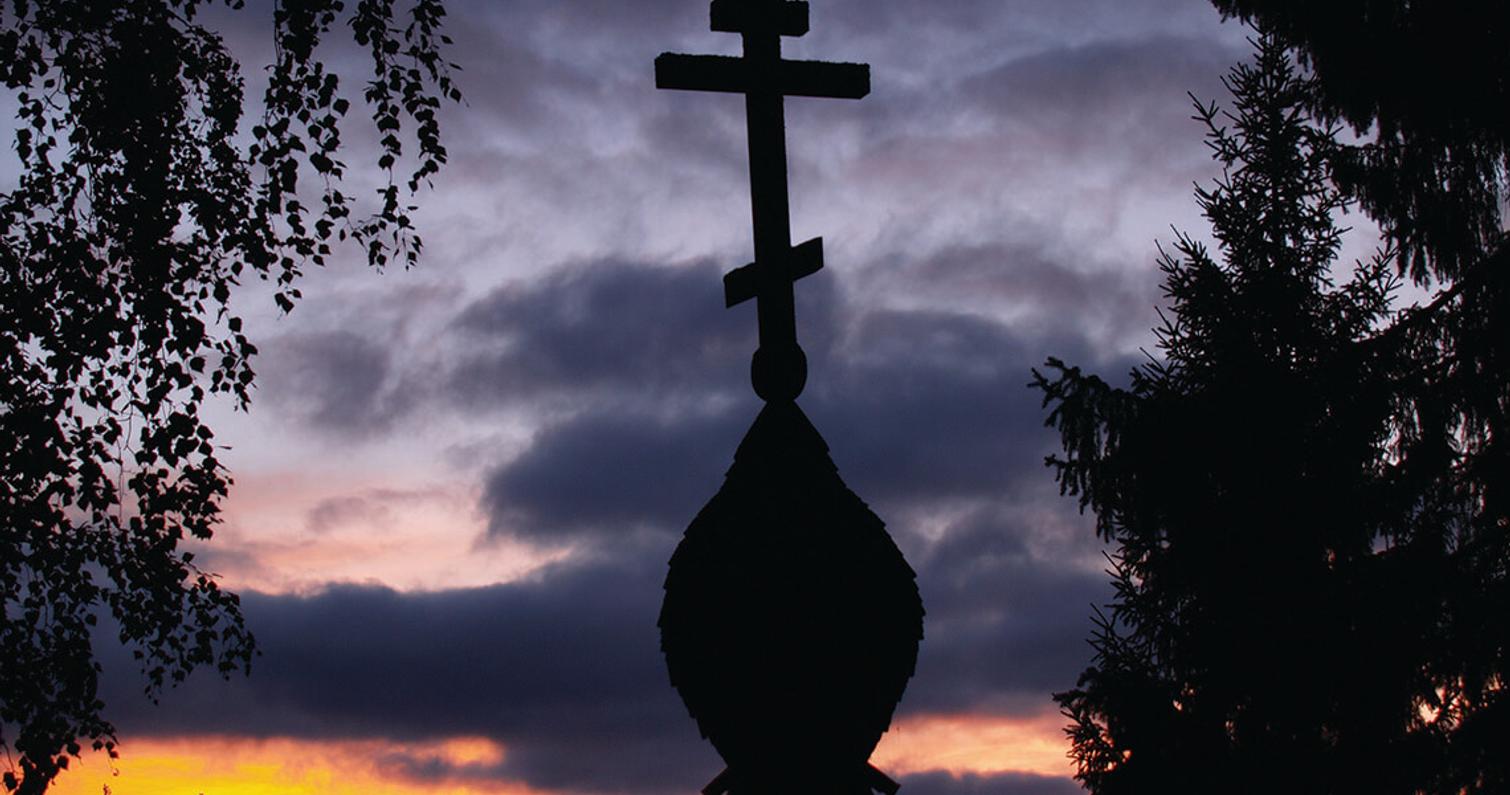
The cross is a common symbol for all Christians. In Finland, the Orthodox Church most commonly uses the so-called Slavic cross. Its small crossbar at the top depicts a slab with the inscription “Jesus of Nazareth, King of the Jews”.

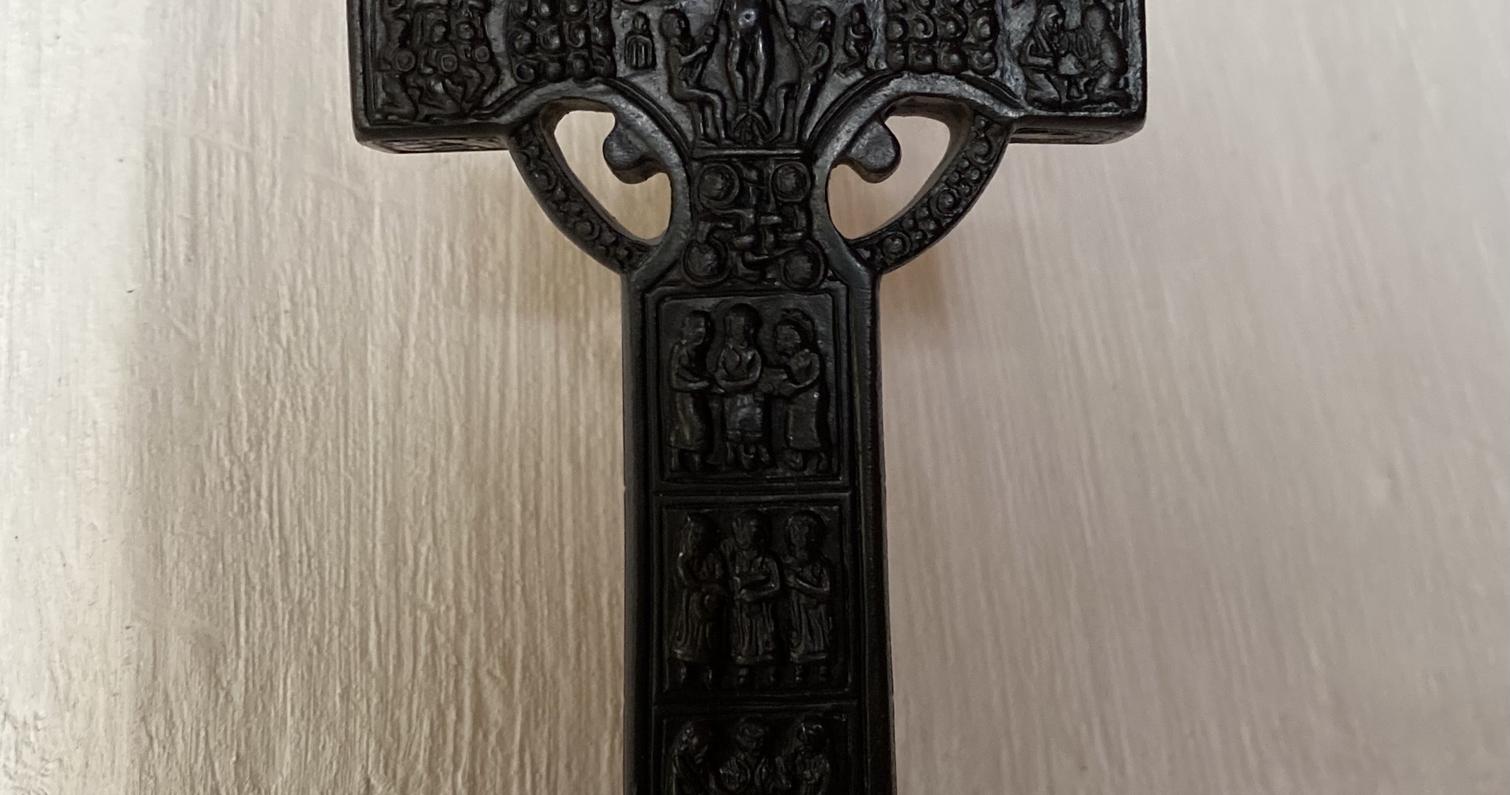
The crossbar under Christ’s feet is reminiscent of the two thieves who were crucified with Jesus. The one on Jesus’ left mocked Christ and was lost. The so-called wise thief on his right repented of his actions and was saved. That is why one end of the crossbar points up and the other down. For example, the Greek Orthodox often use a cross with all its branches of the same length. The simple Latin cross, best known to the Lutheran Church, is also used in the Orthodox Church.

For Christians, the cross on a grave is a testament to faith and hope in the resurrection of the dead. At the same time, it reminds us of the intercessory communion between the living and the dead. Traditionally, the cross is made of wood, like the cross of Christ.