Tsasunas

Tsasouna

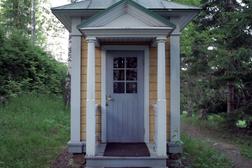
A tsasouna is a small sanctuary that typically does not have a separate altar room. In Karelia, there were tsasounas in almost every village, and they held many lay services called momentary services. The name tsasouna comes from the Russian word for moment or hour.

Saint Nicholas the Wonderworker's tsasouna

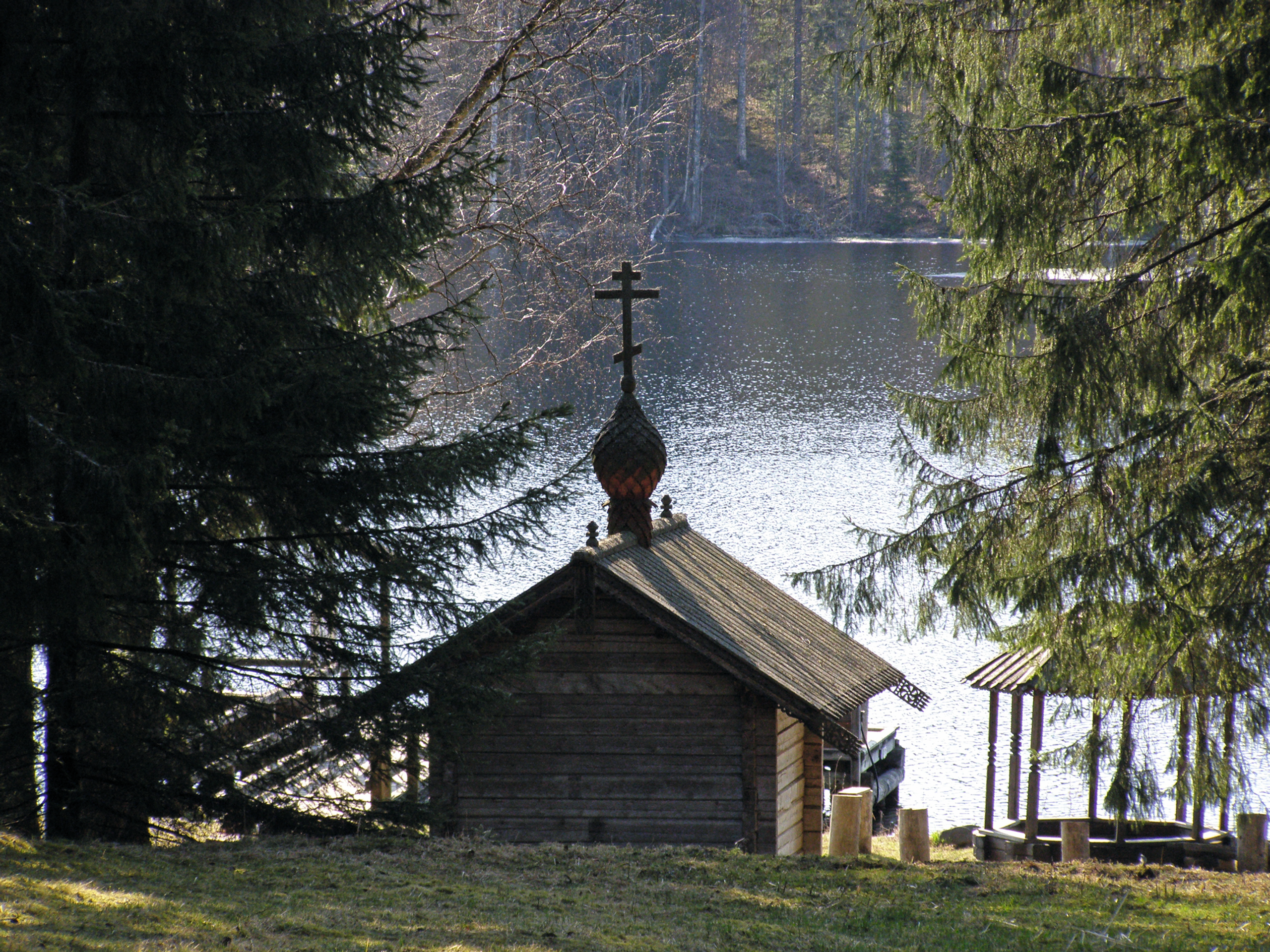
The tsasouna, built in 1987 near the monastery's pier, is dedicated to the memory of Saint Nicholas, known as the helper of sailors and all those in distress. The tsasouna temple festival is celebrated on May 9. In Western tradition, Archbishop Nicholas of Myra in Lycia, who lived in the 5th century, is also known as the prototype of Santa Claus.

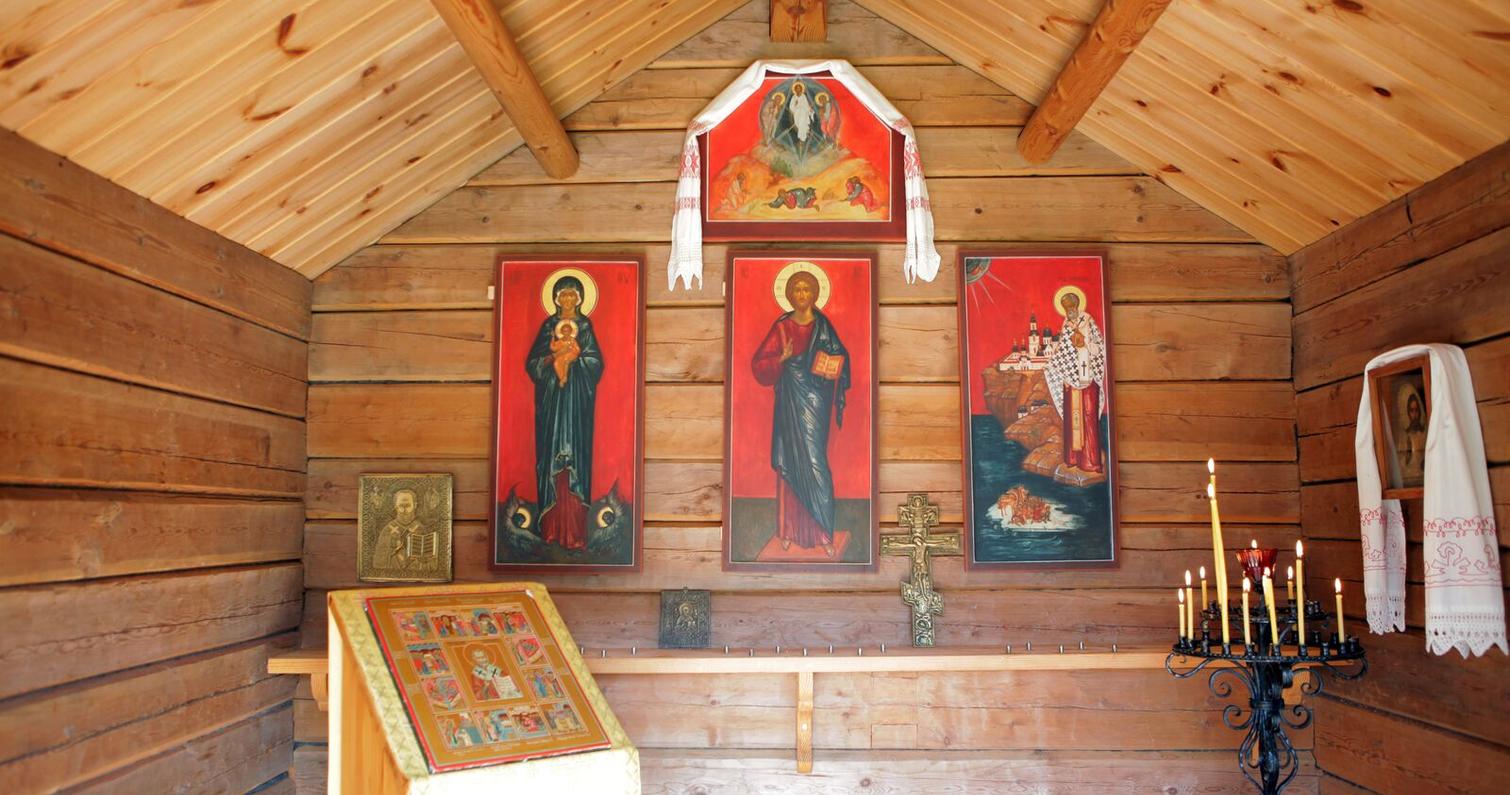
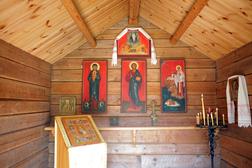
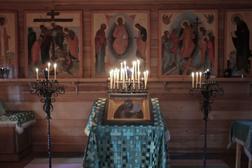
The log tsasouna, decorated with rich wood carvings, is largely a copy of the prayer room that was located in the village of Mantsinsaari in the Karelian Strait parish of Lake Ladoga before the wars. It was built there out of gratitude by the islanders who were saved from a sea disaster on Lake Ladoga in the mid-19th century. The tsasouna was built by Nikolai Jokiniemi and the icons on its end wall were painted by Maila Mäkinen. Their subjects are Christ the Almighty, the Mother of God of Valaam and Saint Nicholas rescuing those in distress at sea. Tsasouna also contains icons of the Transfiguration of Christ and the holy fathers Sergei and Herman of Valaam, as well as two older icons received as gifts from the residents of the Salmi parish, Christ the Almighty and Saint Nicholas adorned with a risus.

Saint Herman Alaskan's tsasouna

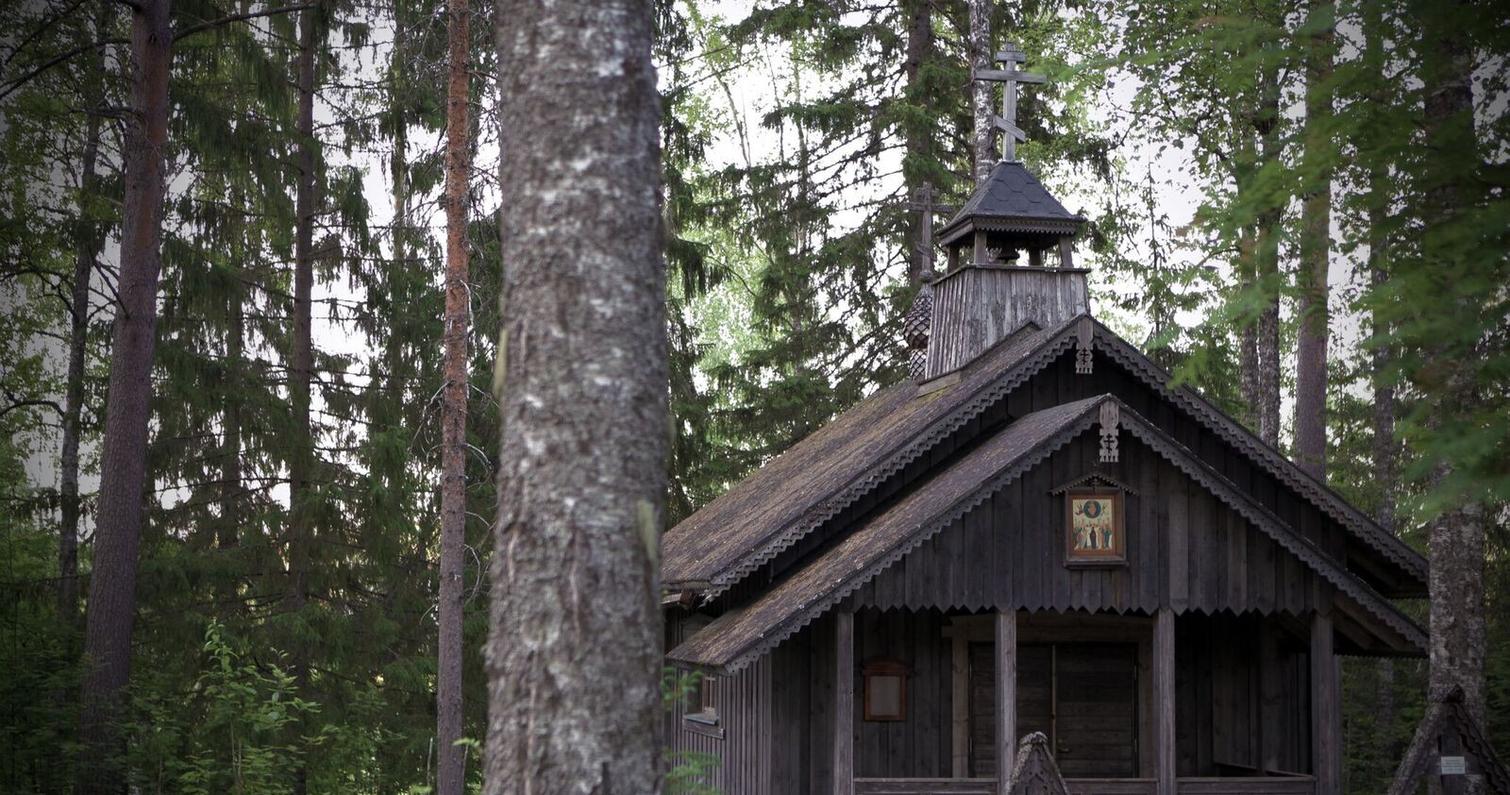
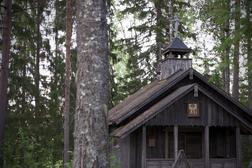
The tsasouna in the monastery cemetery, completed in 1981, is dedicated to the memory of Saint Herman Alaskan. Saint Herman was a monk from Valaam who moved to Alaska for missionary work at the end of the 18th century. He was canonized, or included among the saints, in 1970, and his memorial day is celebrated annually on August 9.

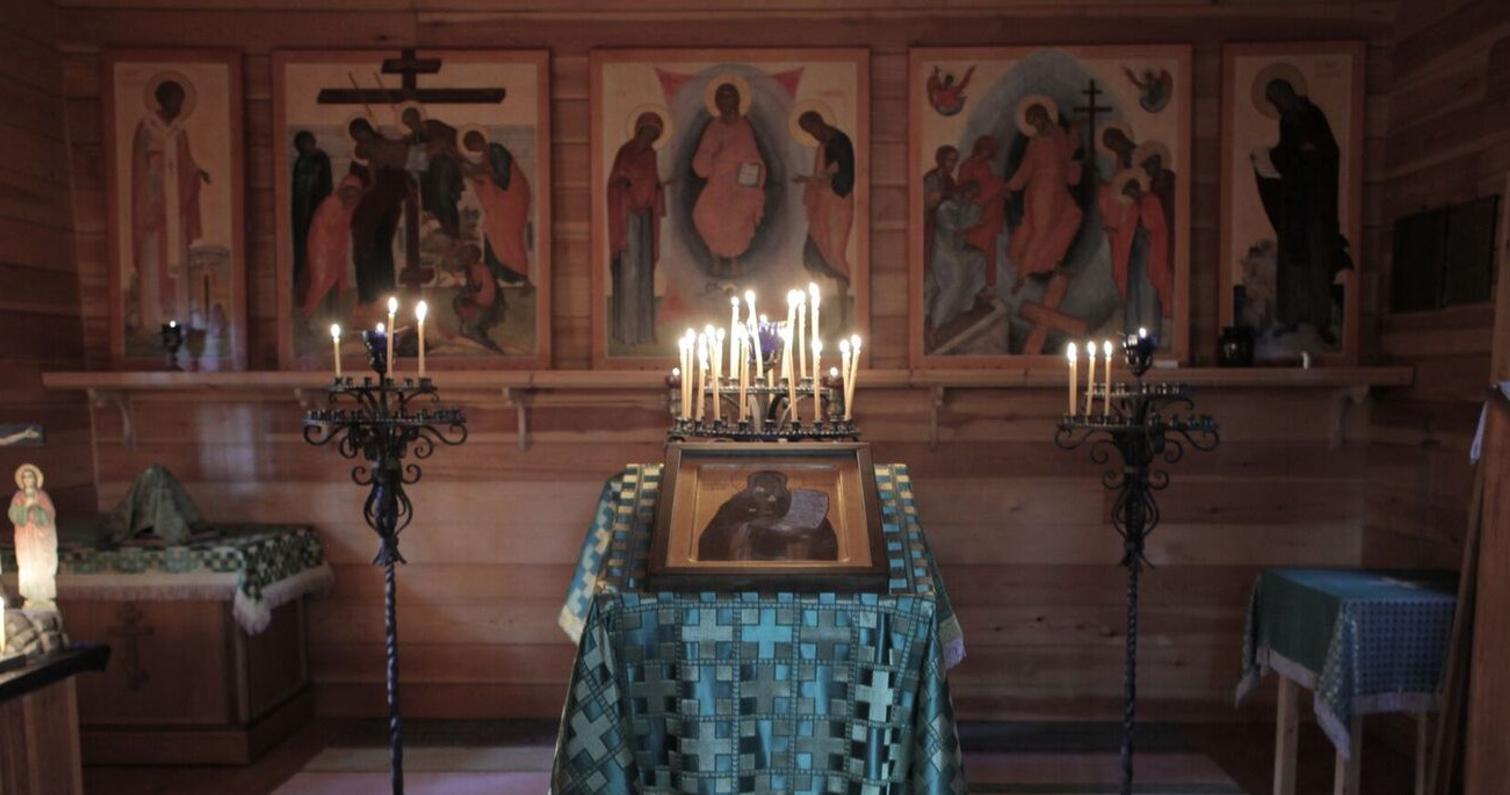
The new icons on the end wall of the tsasouna, which follows the Karelian wooden church architecture, feature Saint Tiihon of Sadonski, the Descent of Christ from the Cross, the Intercession Group, the Resurrection of Christ, and Saint Herman Alaskan. The icons on the side walls depicting Saint John the Baptist and the Entry of the Virgin Mary into the Temple were painted in the 19th century. The small icon of Saint Herman of Alaska was painted by the robe-bearing monk Vasily, later known as the priest-monk Vladimir, in 2000.

Saint John the Forerunner and Baptist Church

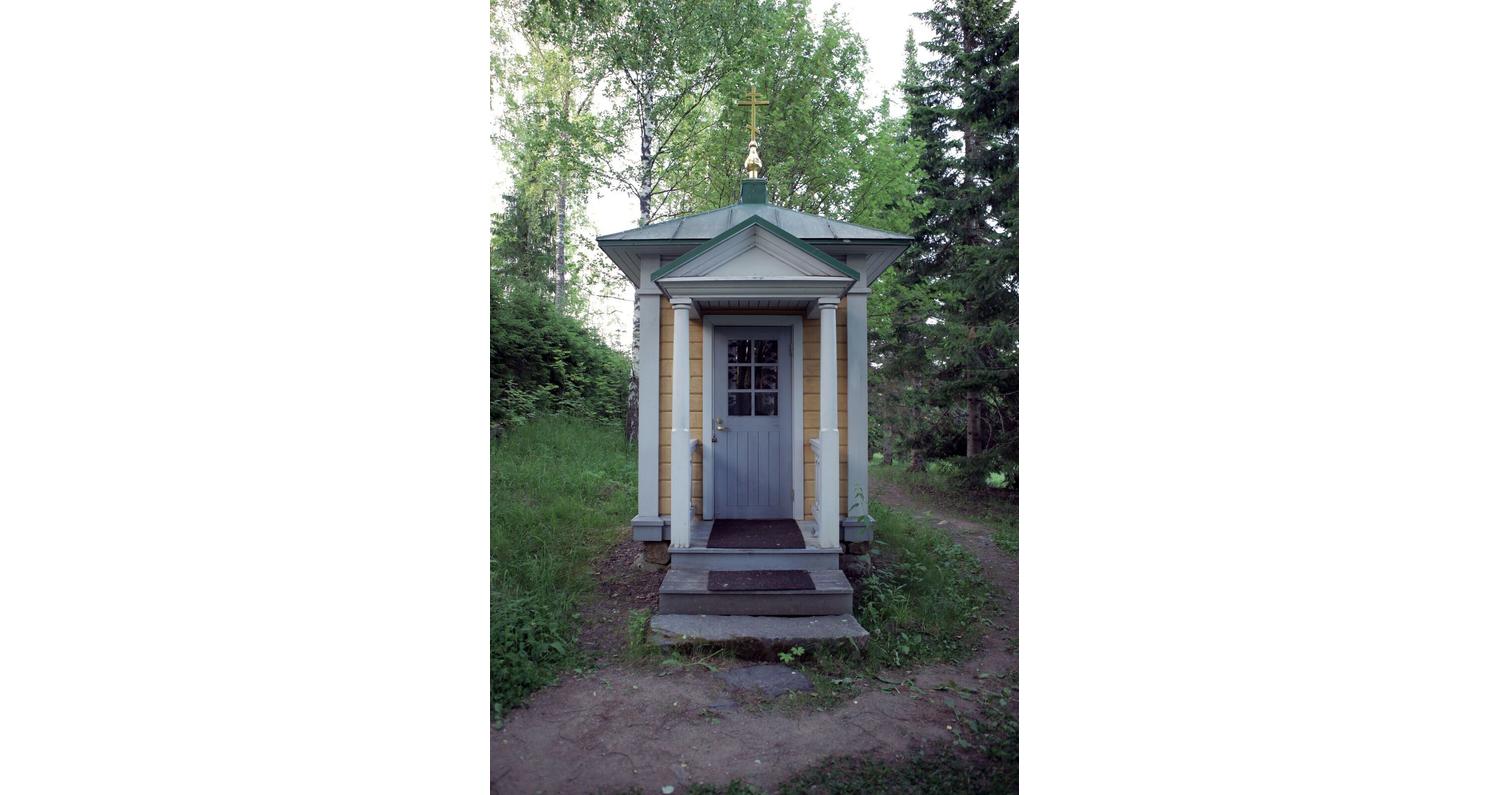
In June 2006, the monastery inaugurated a church designed by architect Sakari Siitonen, dedicated to the birth of Saint John the Forerunner and Baptist. The church’s feast day is celebrated on June 24.

The church, built at the suggestion of the Friends of Valamo and with funding from both individual friends of the monastery and the Friends of Valamo, is located in the immediate vicinity of the monastery cemetery, near the grave of Saint John of Valamo. The church also honors the memory of Saint Father John, who was a long-time champion of the Valamo Monastery of Saint John the Baptist. Schemaigumen John was canonized, or canonized, in 2018. His relics were transferred to the main church of the monastery in 2019. Before his canonization, he was known as Schemaigumen John.

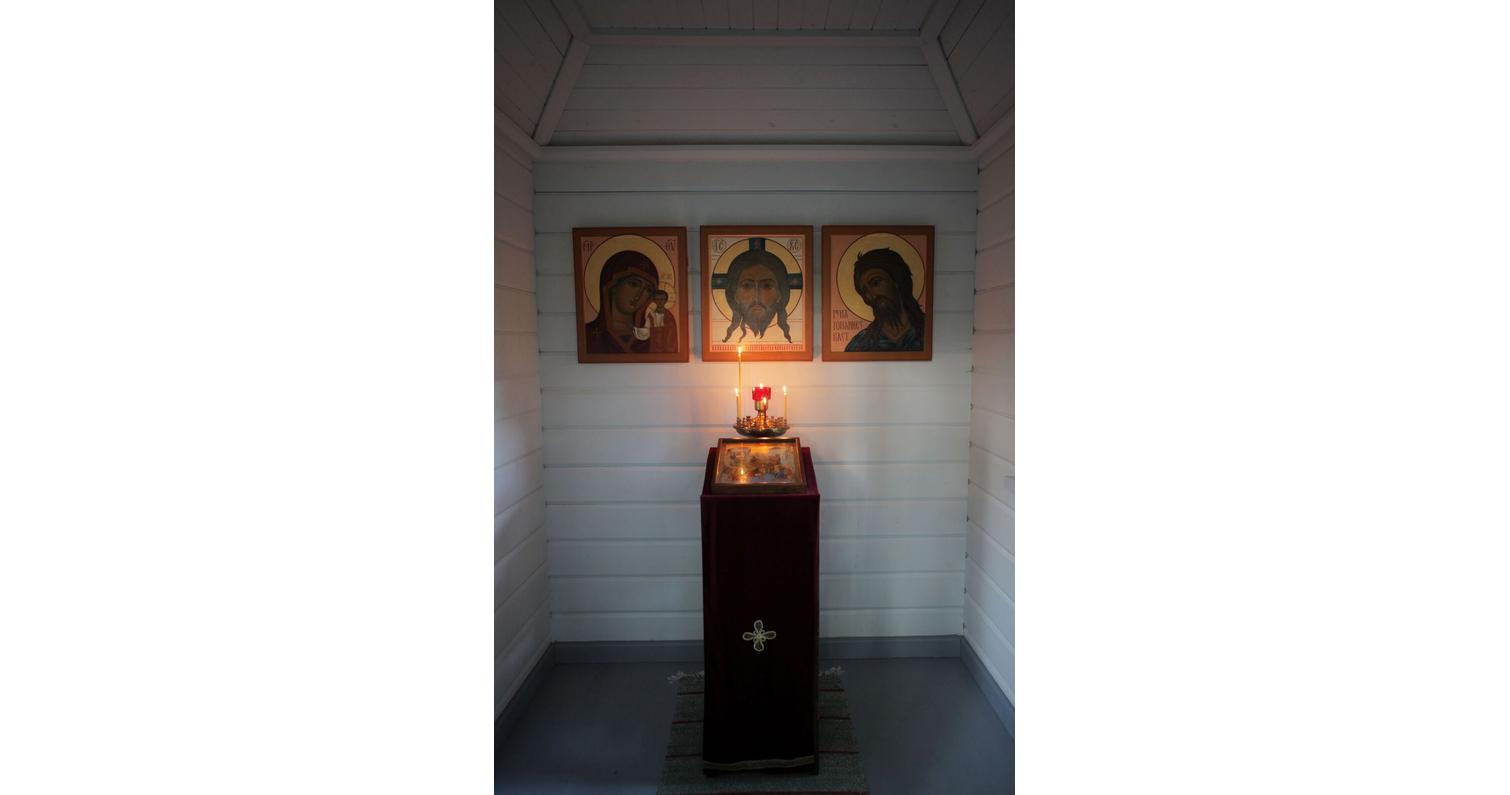
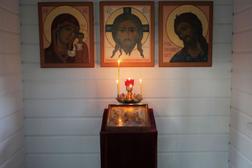
The icons of the Kazan Mother of God, Christ the Conception, and Saint John the Forerunner of Tsasouna were painted by Bishop Arseni of Joensuu. The icon of the Nativity of Saint John the Forerunner was painted by architect Sakari Siitonen.

The tsasouna of Saint Seraphim of Sarov

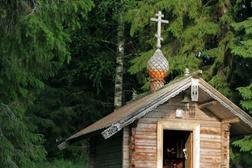
Along a small private road leading past the monastery cemetery, on the edge of an area called the prayer forest, lies the log tsasouna of Saint Seraphim of Sarov. The tsasouna was originally built for his leisure residence in Tuusniemi by Risto Ikäheimo, who donated it to the Valamo Monastery in 2024. The tsasouna was moved to its current location in the fall of 2024, and will be consecrated in its new location on July 19, 2025 by His Holiness Metropolitan Arseni of Kuopio and Karelia. The tsasouna was consecrated in its original location in Tuusniemi by His Holiness Archbishop Johannes of Karelia and All Finland on July 19, 1993. The shrine is log-built and was designed by architect Sakari Siitonen in accordance with the 18th-century Karelian tradition. The onion on the roof was made by Niilo Jokiniemi in the Valamo Monastery in 1993. The icons of Christ, the Theotokos and Saint Seraphim of Sarov on the back wall of the tsasouna were painted by Jyrki Pouta, who also painted the smaller icon of Saint Seraphim of Sarov on the central analogue of the tsasouna. The annual temple celebration of the tsasouna is celebrated on the day of remembrance of Saint Seraphim of Sarov on 19 July.