The cycle of the church year

Church year

The Orthodox church year begins on the first day of September, as it did in Byzantium. It is characterized by the alternation of fasting and feasts.

The center of the church year is the feast of the Resurrection of Christ, or Easter. It is preceded by a forty-day Great Lent, the purpose of which is to help believers prepare for the celebration. Great Lent is followed by Holy Week, during which the events of Christ's Passion Week are recounted, all the way up to the joyful feast of the Resurrection.

In addition to Easter, the church year includes 12 major feasts and several minor feasts. In addition to Great Lent, there are also three other longer periods of fasting per year. All of them are intended to prepare believers for the upcoming feast. In addition to the long fasts, the calendar also includes numerous individual fast days – these include, for example, all Wednesdays and Fridays, and in monasteries, Mondays as well.

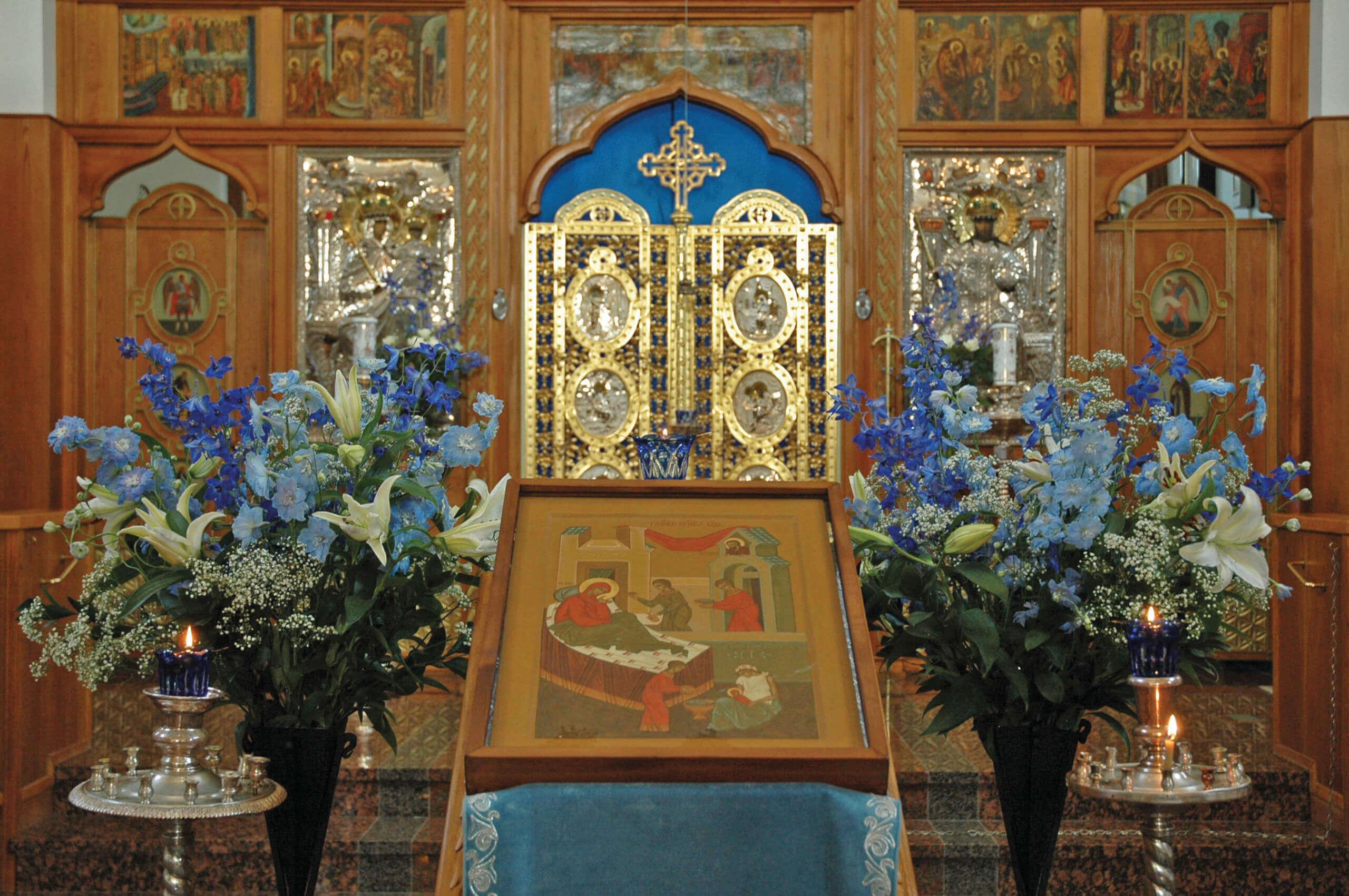
Each temple and prayer house also has its own name day, a praasniekka, which is determined by the event, saint or icon in memory of which the building is consecrated. The personal feast day of each Orthodox is his name day. On this day, the church commemorates the saint after whom he is named.

Easter

Easter is the greatest feast of the church year. The existence and teaching of the entire church are based on it. “If Christ has not been raised from the dead, then our preaching is in vain, and your faith is also in vain,” says the apostle Paul.

The celebration of the events of Christ’s Passion Week begins with Lazarus Saturday and Palm Sunday, which is celebrated the week before Easter. Lazarus Saturday commemorates the raising of Lazarus from the dead four days after his death. 

Palm Sunday is celebrated in memory of Jesus’s riding into Jerusalem. During its festive vigil, willow branches depicting palm leaves are blessed, which are often beautifully decorated according to the old Karelian custom. Children in particular have a custom of showering people with God’s blessing with these decorated branches after the Palm Sunday liturgy. It is customary to keep the branches in the icon corner at home until Ascension Thursday, when they are destroyed by burning.

From Monday to Wednesday evening of the Holy Week before Easter, the services are very sad, but at the same time full of hope for the resurrection. On the morning of Holy Thursday, the institution of the Eucharist is commemorated, and in the evening, the events of Holy Week are reviewed by reading the 12 Gospel passages. During the reading of the Gospels, the church people hold lighted torches in their hands.

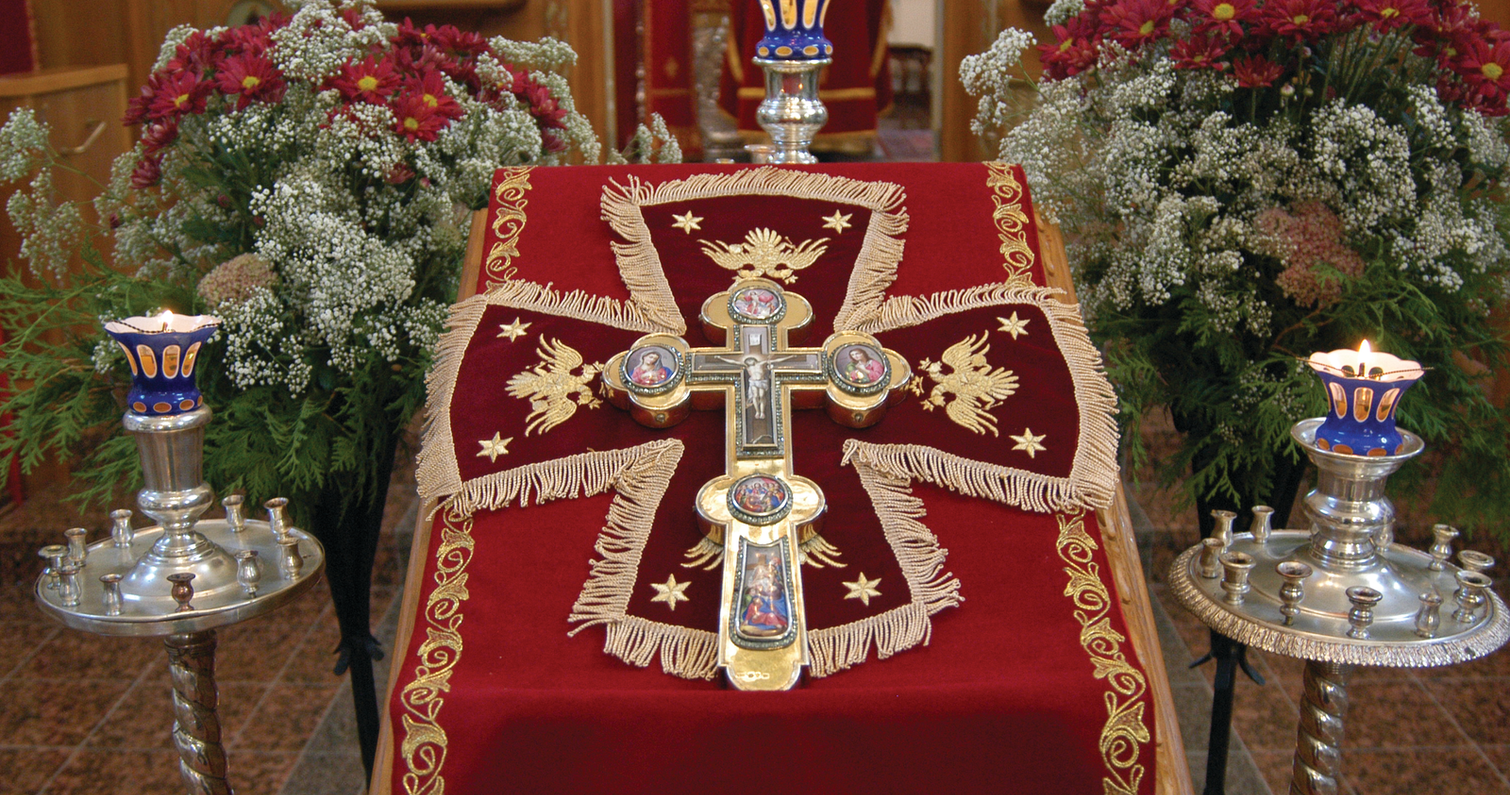
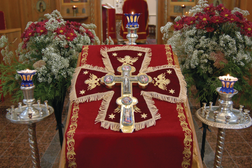
On Good Friday, a great evening service is held, at the end of which the tomb image of Christ is carried in a solemn procession from the altar to the middle of the church hall. The church people follow the presentation of the tomb image, kneeling with candles in their hands. Finally, the church people honor the suffering of Christ by bowing before the image and kissing both it and the Gospel book, which is placed in the middle of the tomb image.

On the evening of Good Friday, the so-called burial service of Christ is held in the monastery church, which has no equivalent in other Christian churches. At the end of it, the tomb image is solemnly carried in a procession around the church.

Good Saturday is a time of silent waiting. Old Testament prophecies about the resurrection are read in the Saturday morning service. The Valaam Monastery follows the custom of carrying the image of the Savior to the altar after the morning liturgy, and the church falls silent in anticipation of the great feast of Easter.

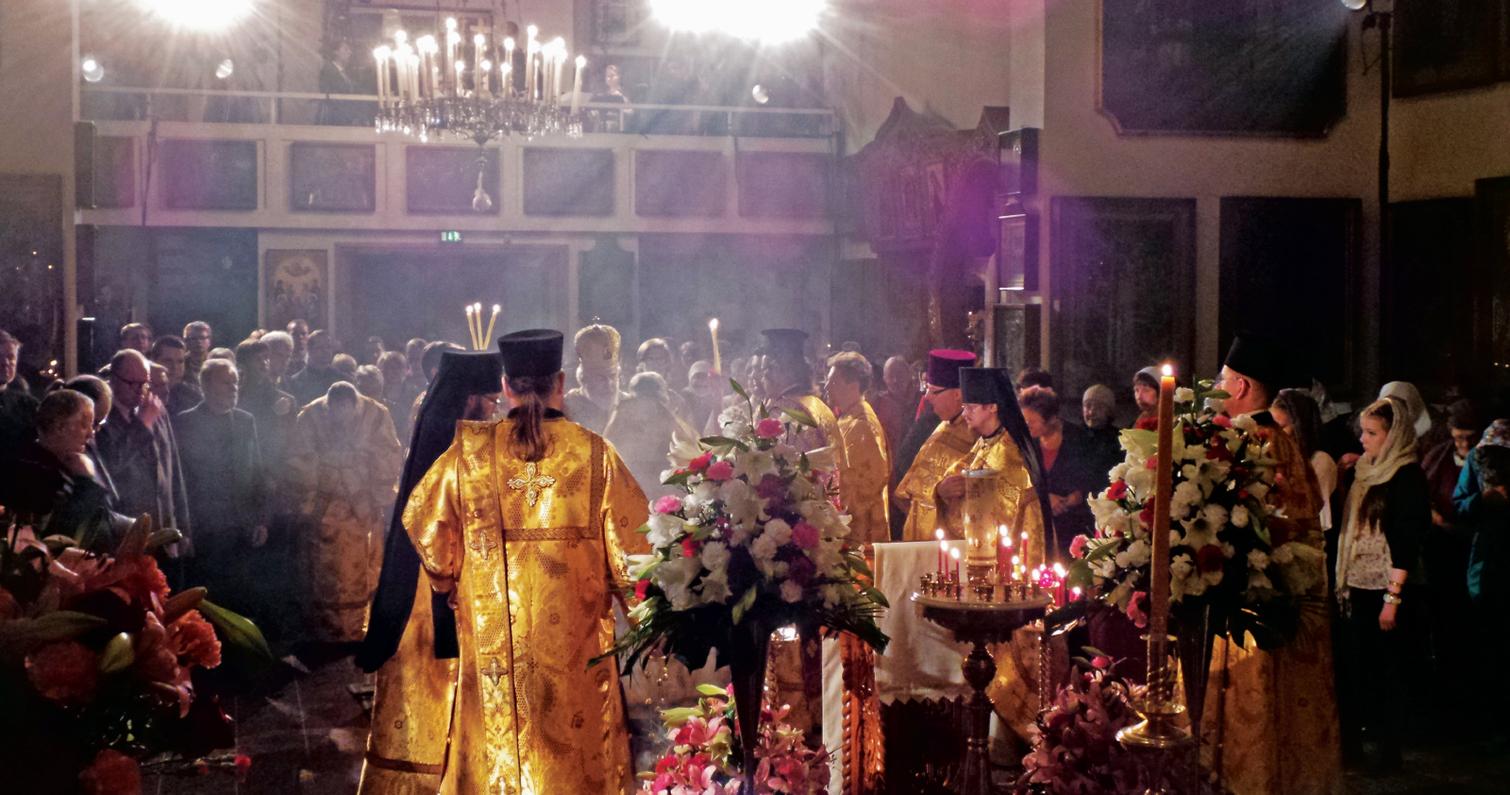
On Saturday evening, shortly before midnight, a midnight service is held in the dimly lit church, after which preparations are made for the procession. At the change of day and night, the Holy Door is opened, all the lights in the church are turned on, and a fire is brought from the altar, which is used to light the flames of the church people. The procession sets off to circumambulate the church. After circumambulating the church, the procession stops in front of the closed doors of the church. Here, for the first time, the singing of the Easter troparion begins: “Christ is risen from the dead, by death he conquered death and to those in the tombs he gave life.” This joyful Easter hymn is repeated endlessly both on Easter night and during the entire 40-day Easter season, when the church celebrates the memory of Christ’s resurrection.

Other celebrations

In addition to Easter, the monastery year includes at least four church holidays, the celebration of which clearly distinguishes them from other holidays in the church year.

The Christmas morning service is held in the monastery on Christmas Eve. The most important part of the Christmas celebration for Orthodox Christians is participation in the Eucharist.

The Feast of the Baptism of Christ, or Theophany, celebrated on January 6th, is the oldest celebration in Christendom after Easter. On Theophany Day, the monastery organizes a procession to the docks, where a great blessing of water is performed in memory of Christ's baptism in the Jordan River.

The feast of the Konevitsa Mother of God, celebrated at the beginning of July, is accompanied by an annual procession from the Valamo Monastery to the Holy Trinity Monastery in Lintula.

The monastery's Praasnieka, or the annual celebration of the main church, is celebrated on August 6, when the Transfiguration of Christ on Mount Tabor is commemorated. On Praasnieka Day, a procession is performed around the entire monastery area. After that, the church and the church people are sprinkled with consecrated water and the blessing of new fruits is performed in the church.