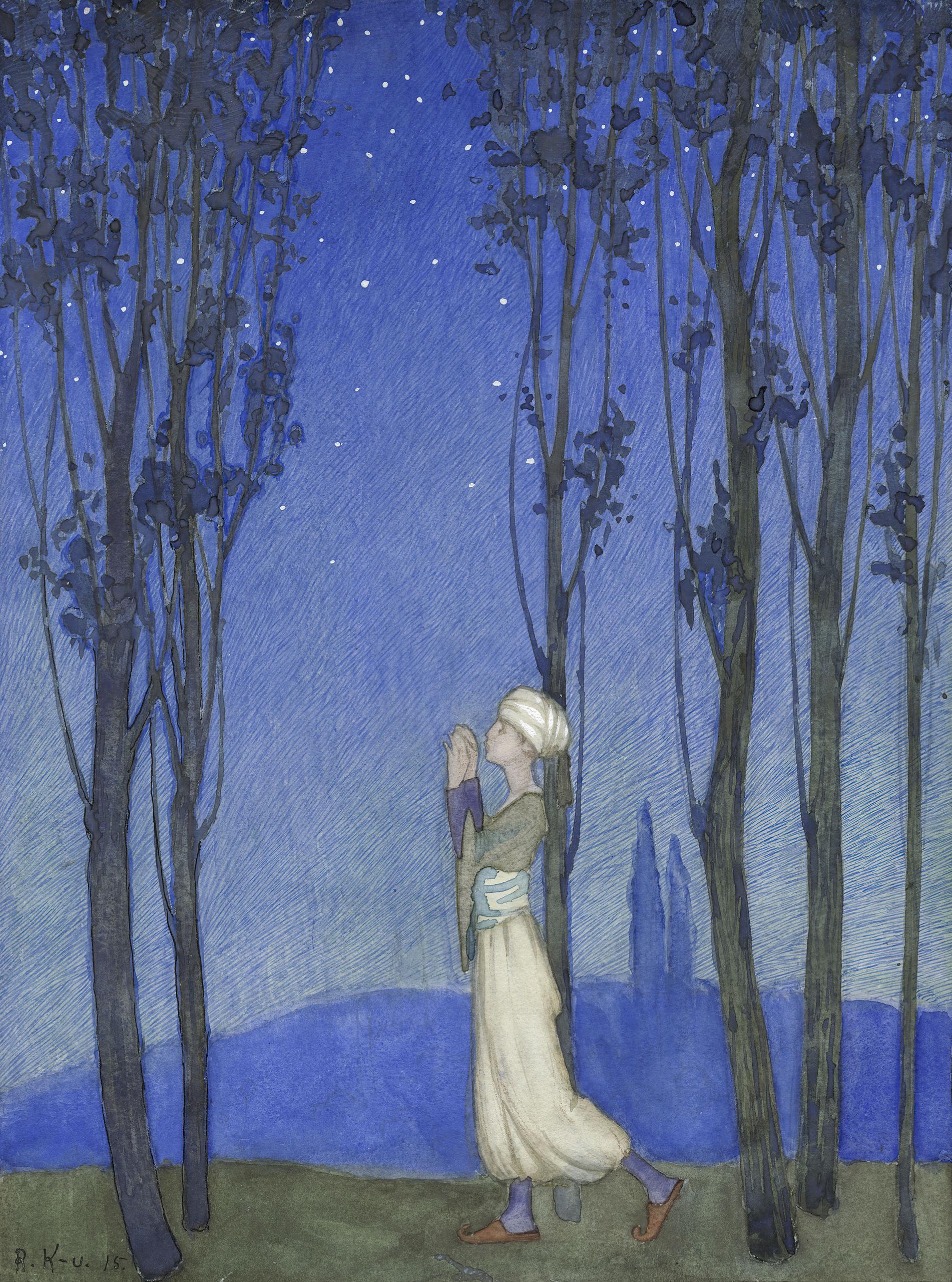
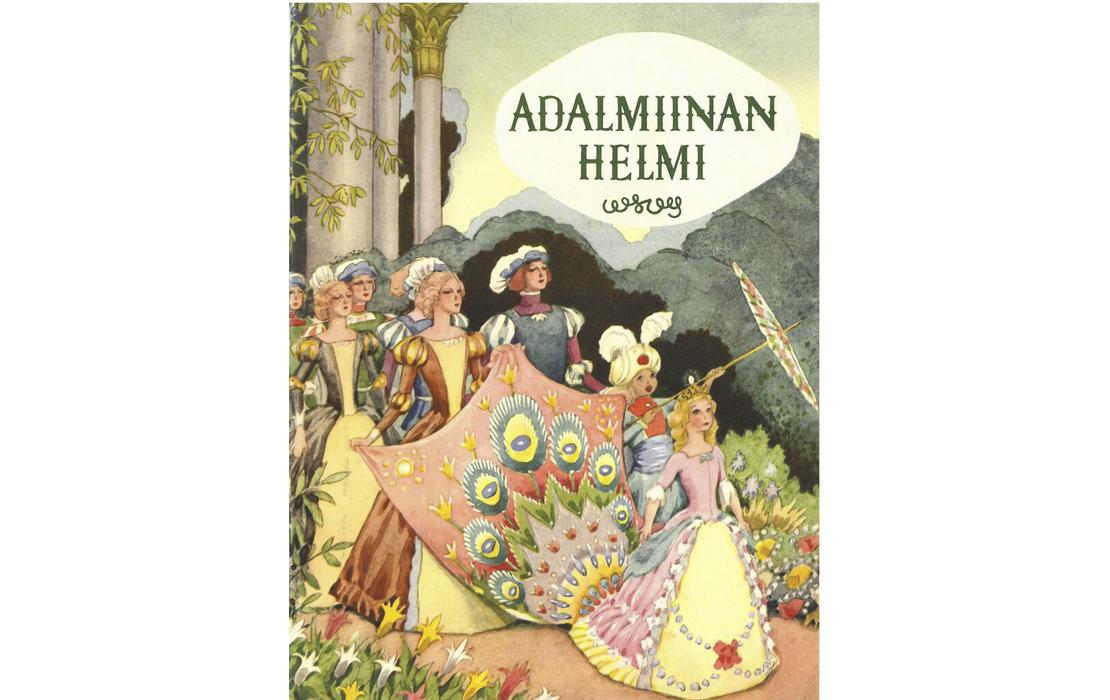
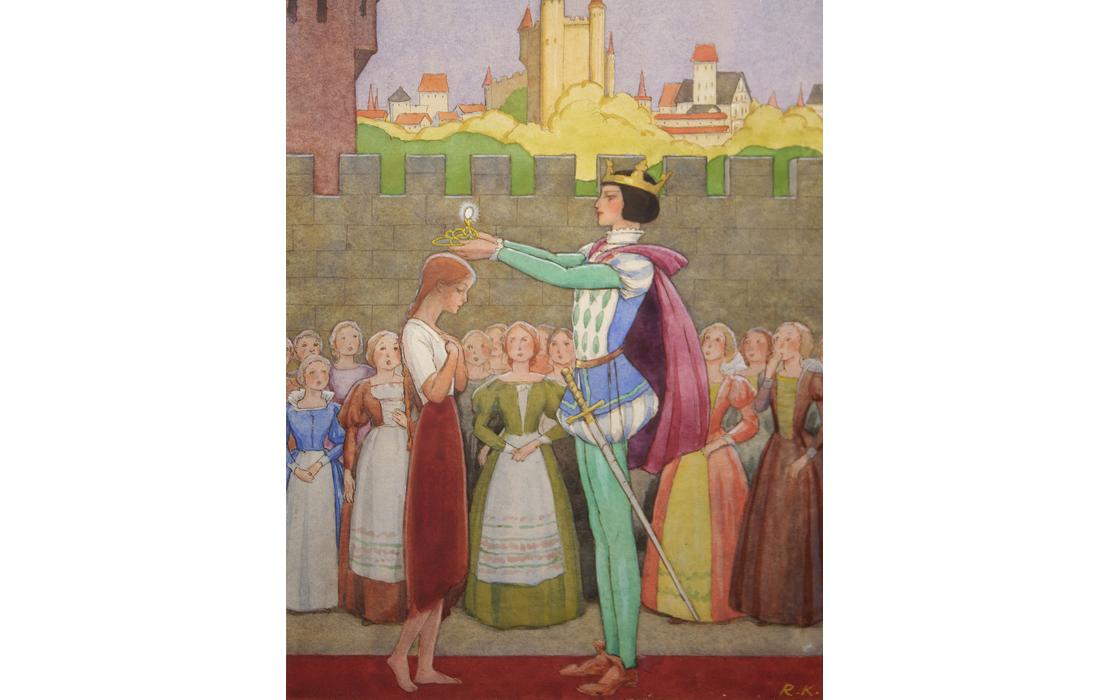
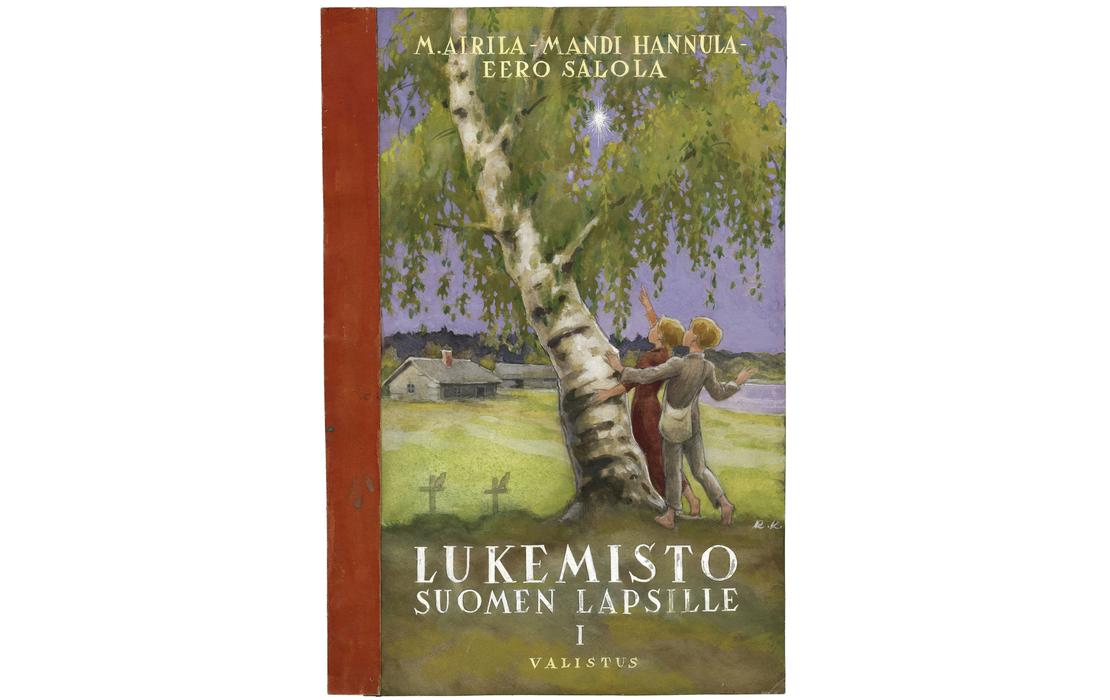
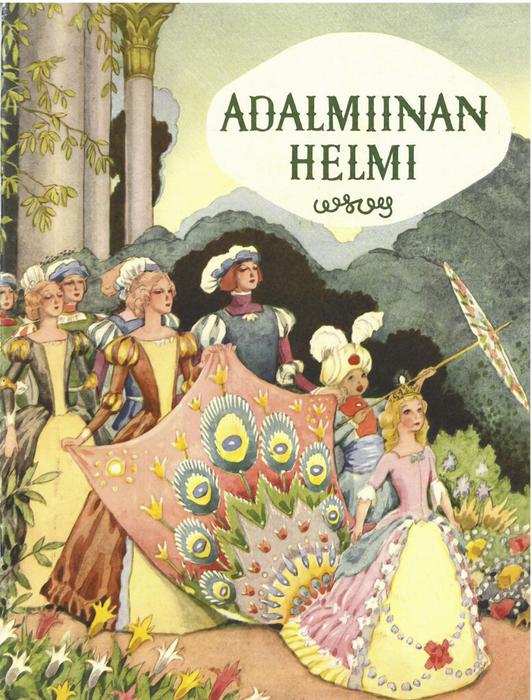
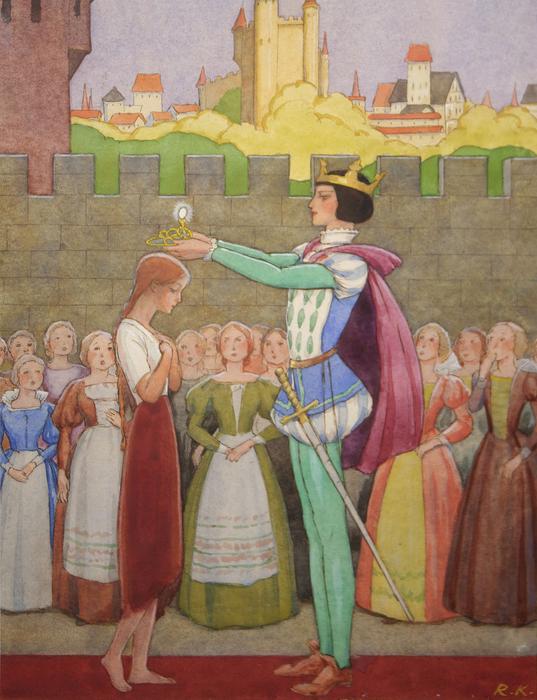
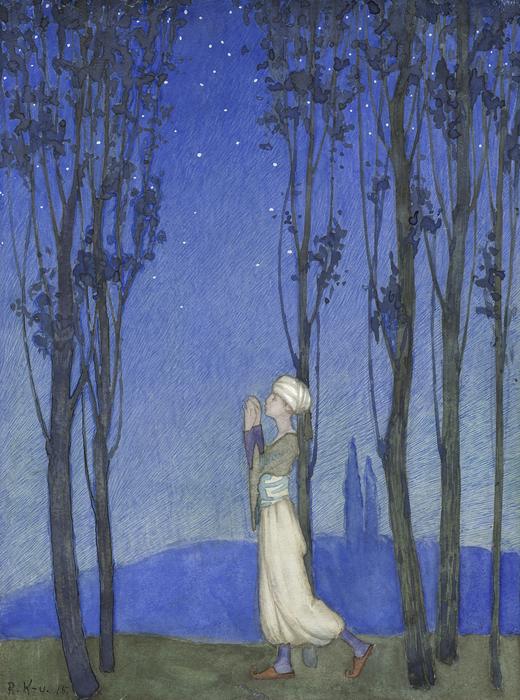
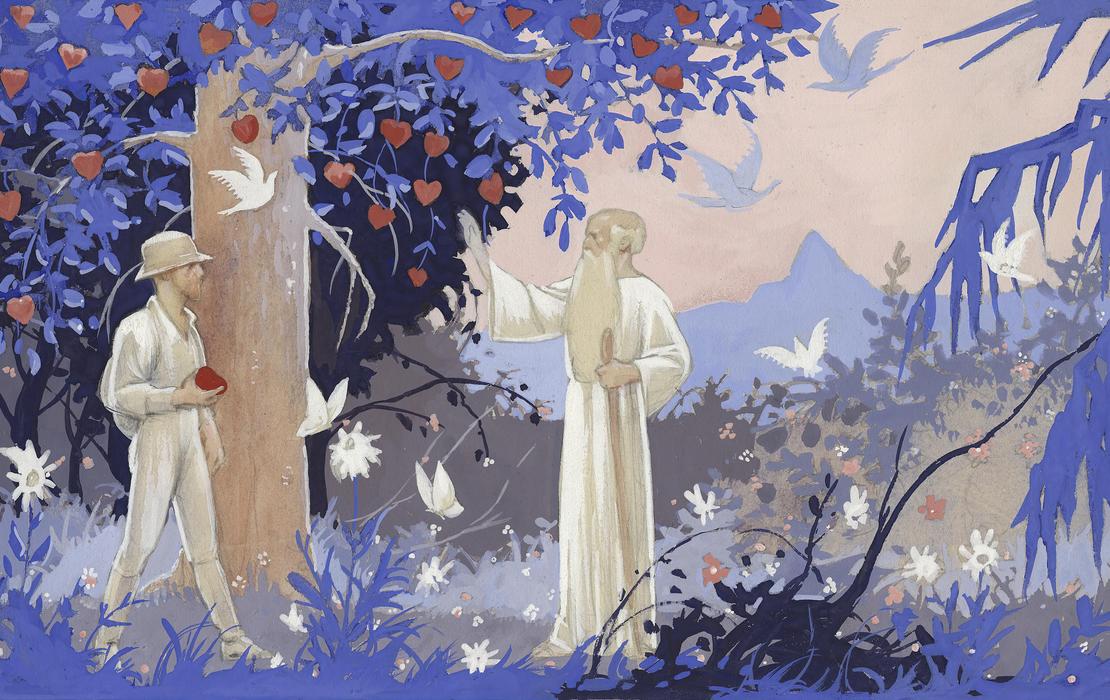
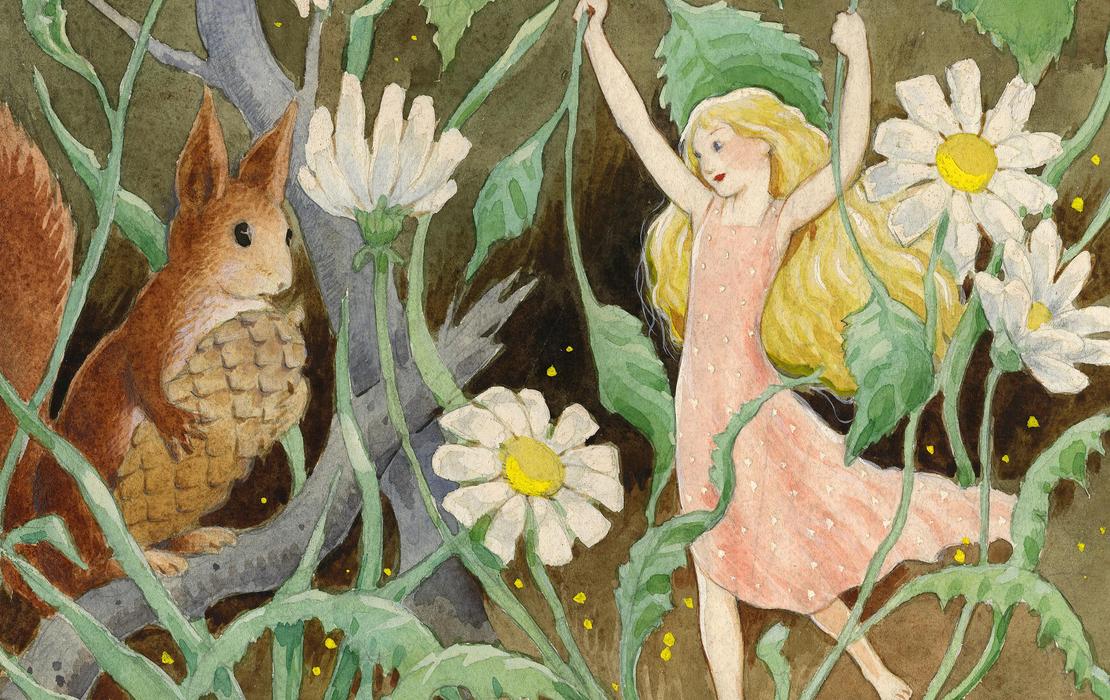
A comprehensive exhibition showcasing Rudolf Koivu's (1890–1946) illustration art opened in March 2026 at Valamo Monastery's Cultural Centre.
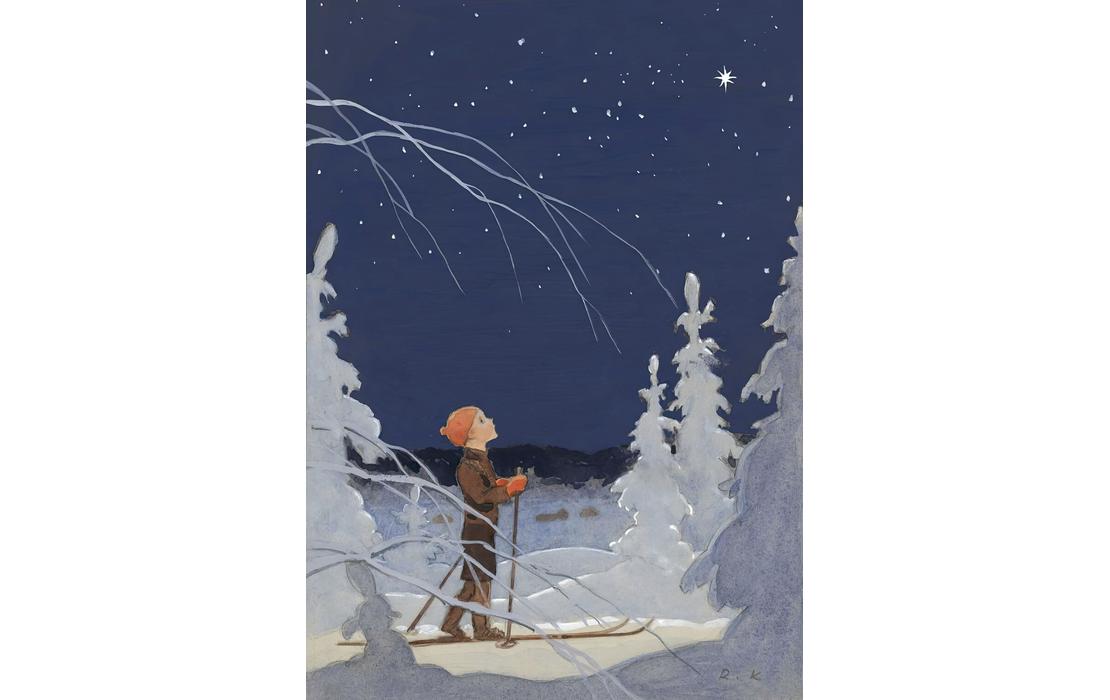
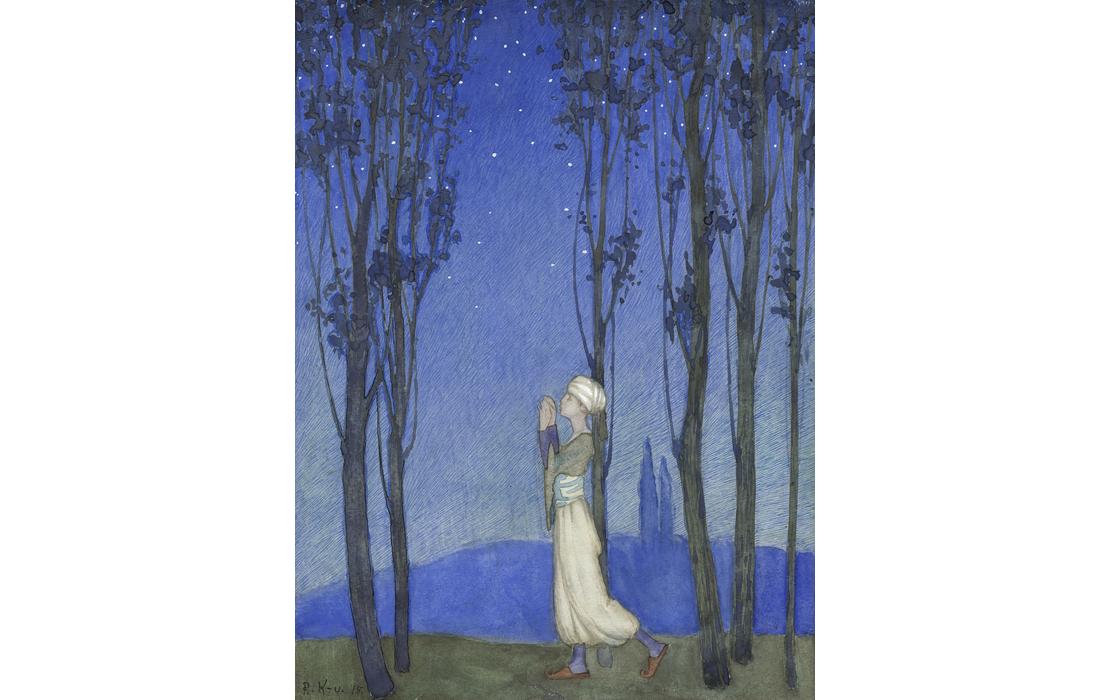
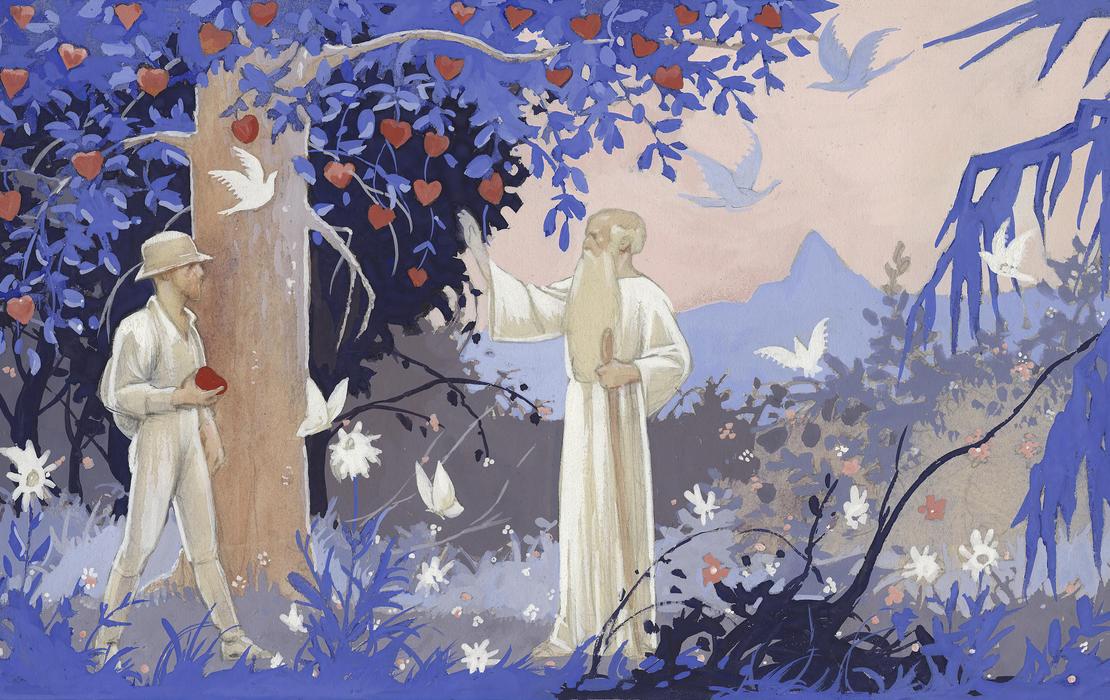
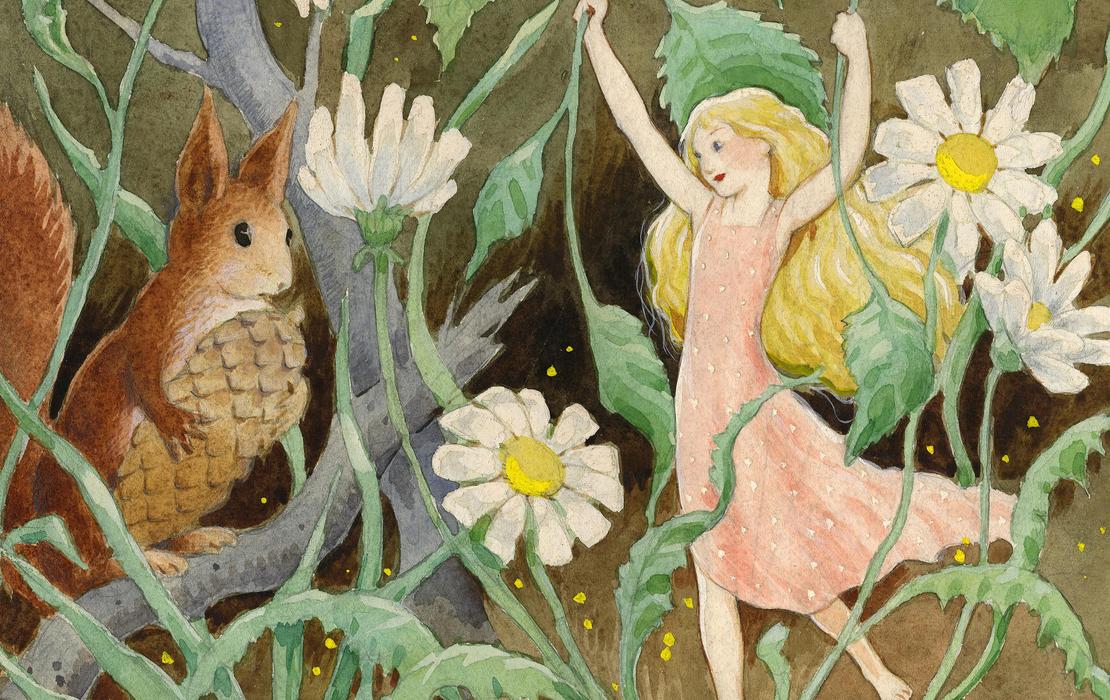
The magnificent illustrations are comprehensively displayed not only as original works but also strikingly in various publication formats. In this exhibition for the whole family, emphasis has been placed not only on visuality but also on the presentation methods of the illustrations and their storytelling. It includes, among other things, excerpts from fairy tales illustrated by Koivu. Visitors can also discover the artist more deeply. Personal photographs reveal more about the artist's personality.
Through a difficult childhood, Rudolf Koivu grew to become one of Finland's most beloved illustrators, whose artistic touch still captivates viewers today. Rudolf Koivu's illustrations possess beauty and mysticism, but also powerful exaggeration. He juxtaposes, for example, beauty and ugliness, and fear and courage, through which the viewer is led into an enchanted world where anything is possible. Such is also a child's perspective: curious, wondering at the world, and enthusiastic about what they see. Koivu was able to see things through a child's eyes. Adults may also find deeper narrative levels in the pictures.
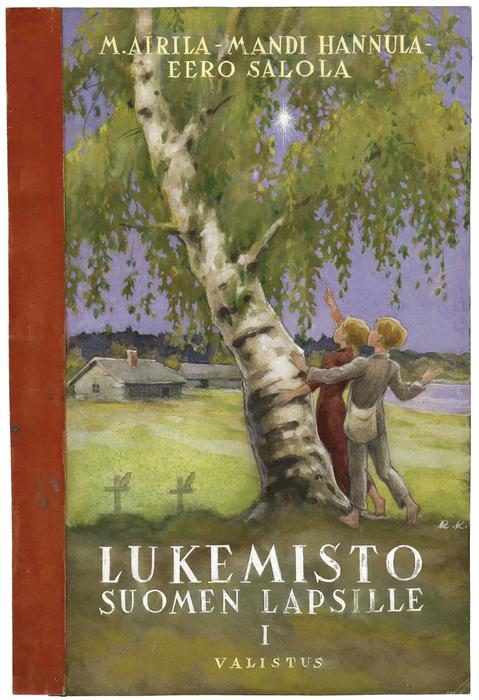
The exhibition is further complemented by a collection to be placed in Valamo Monastery's Library, where Rudolf Koivu's graphic works are showcased as calendar illustrations, postcards, and book cover art, among other things. In conjunction with the exhibition, a small book has been published that presents Rudolf Koivu's life and illustration work. The free exhibition in the Library is open during the Library's visiting hours.
The exhibition is on display until 15 January 2027 and has been produced in collaboration with the Ameri Cultural Foundation and Tuusula Art Museum.
Admission fee 12 € / adult. Free for those under 18 years old.
The same ticket also grants admission to the Monastery Museum.
Rudolf Koivu Exhibition reopens renewed on Sep 10.
The Rudolf Koivu – Fairytale Illustrator Exhibition, on display at Valamo Monastery's Cultural Center, will be renewed in September.
The highly popular Exhibition has so far attracted 13,800 visitors, and the exhibition season is now halfway through.
The Exhibition's renewal is related to the original artworks' sensitivity to light. The works on display can only be exhibited for a limited time, which is why some of the works will be replaced with New ones in early September.
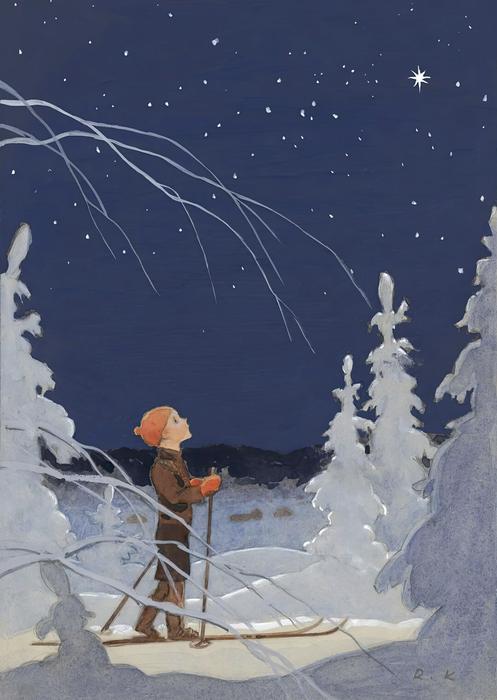
At the same time, the Exhibition's content will be updated according to the season. The New works emphasize themes related to winter and Christmas alongside familiar fairy tale themes.
The Exhibition will continue to feature a large collection of high-quality enlargements, which will be on display Until the end of the Exhibition. The Library's book and magazine exhibition also remains unchanged.
Rudolf Koivu is especially known for his fairy tale illustrations, and the autumn collection will also include earlier illustrations of fairy tales he wrote himself. Among the highlights are a symbolist and French-influenced illustration series for the fairy tale Sisar ja veli from 1929, as well as illustrations for the work Satu jättiläisistä, noidista ja auringontyttärestä (1935).
Also included are several illustrations from Raul Roine's fairy tales and Pictures from the children's favorite Joulupukki magazines.
The Exhibition's themes lead to historical milieus as well as to the worlds of nature and imagination. The Wheel of Time connects historical costumes and environments to the fairy tale world, while The Adventures of Raindrops takes the viewer to an underwater world, among butterflies, and into summer garden moods.
The Christmas atmosphere is especially evident in the illustrations of the Joulu-uni fairy tale and the striking cover images of Joulupukki magazines.
Also on display is, among other things, the atmospheric gnome-themed illustration for the poem Nukku Matti from 1919, which is among Rudolf Koivu's earliest illustrations for Joulupukki magazine.
The everyday life and living of children in the 1930s are represented by the illustrations from Maaseudun laskentokirja and Olavi Pesonen's Laulukirja.