Echoes of History

Echoes of History

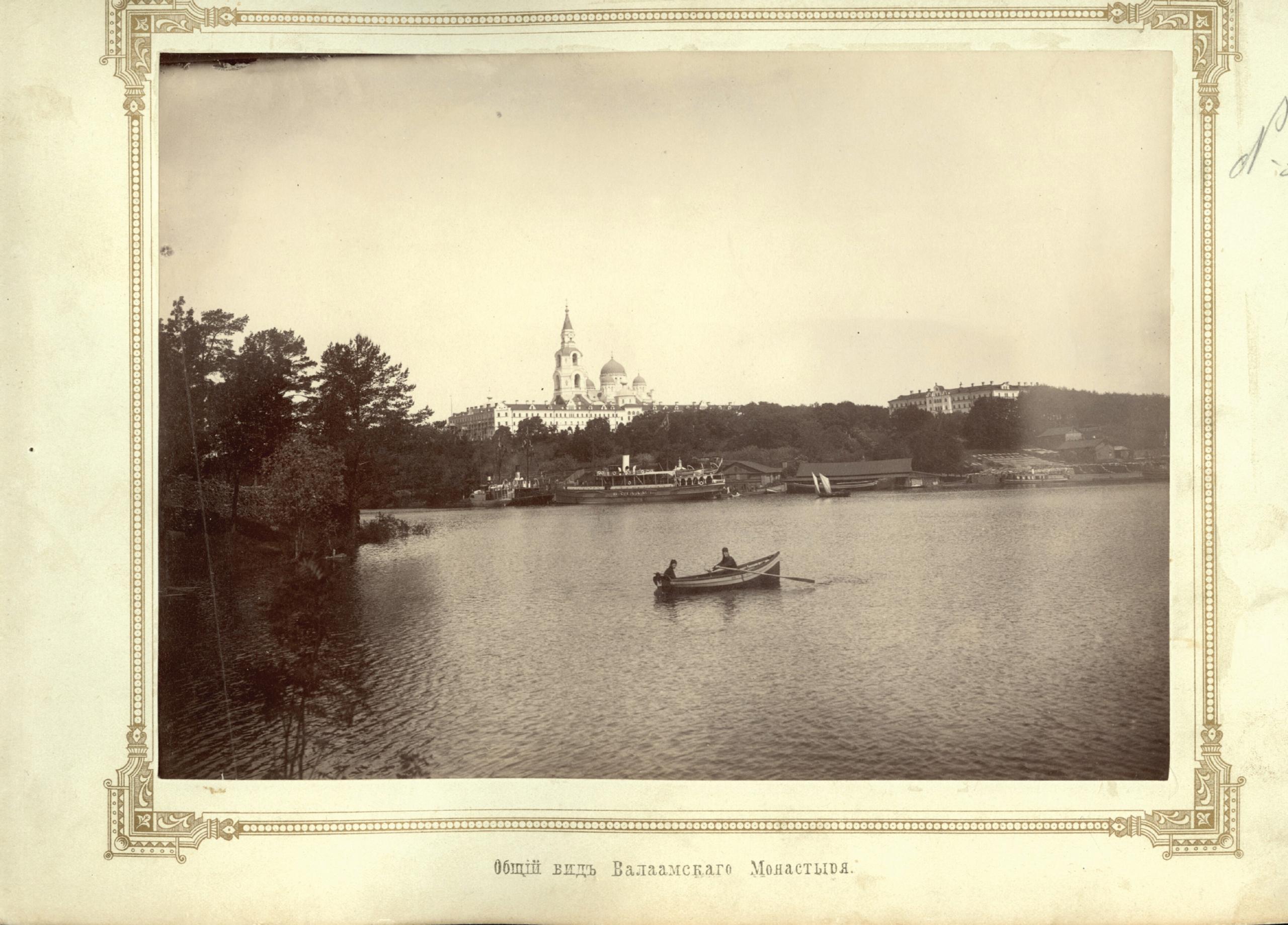
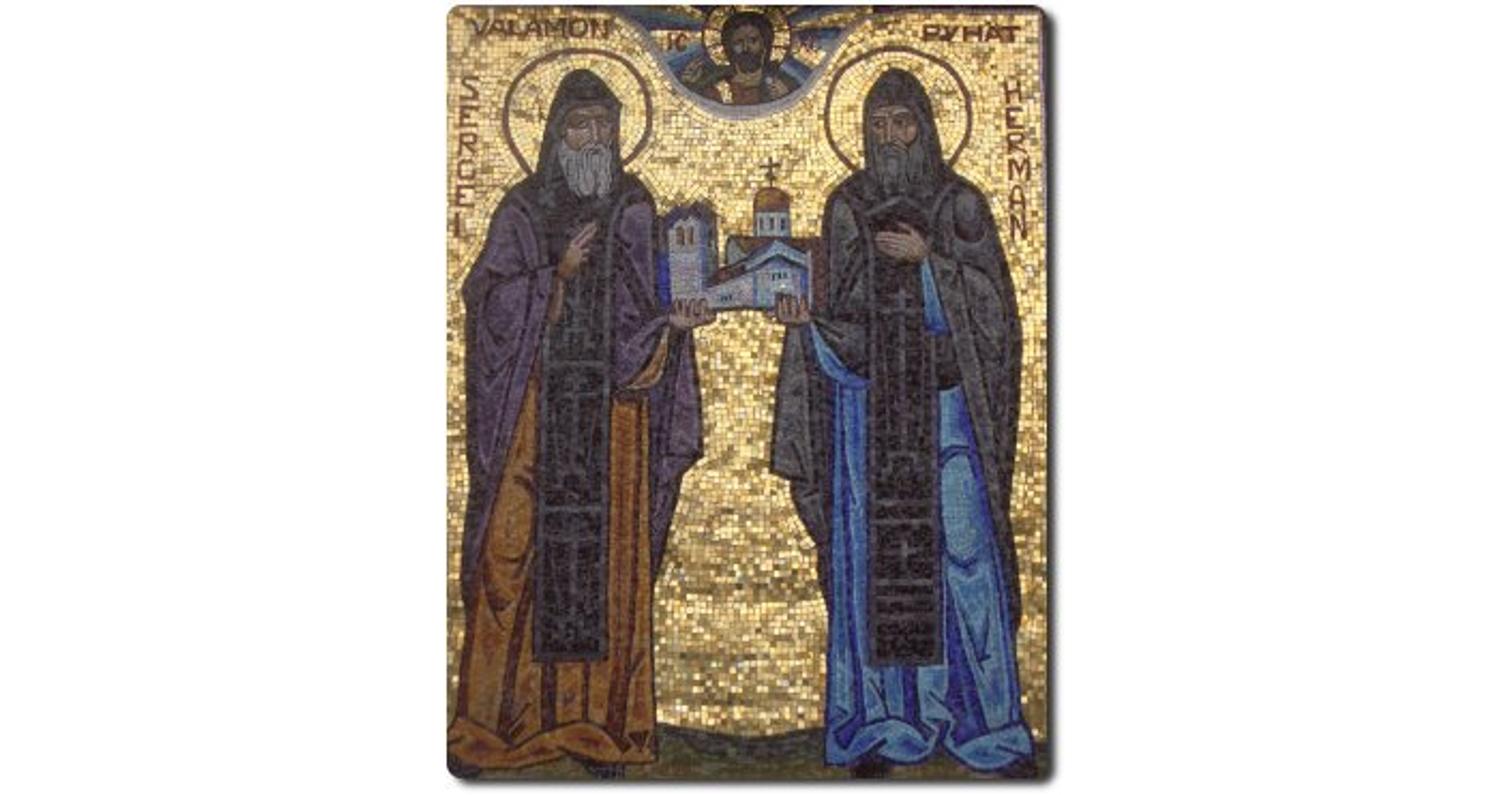
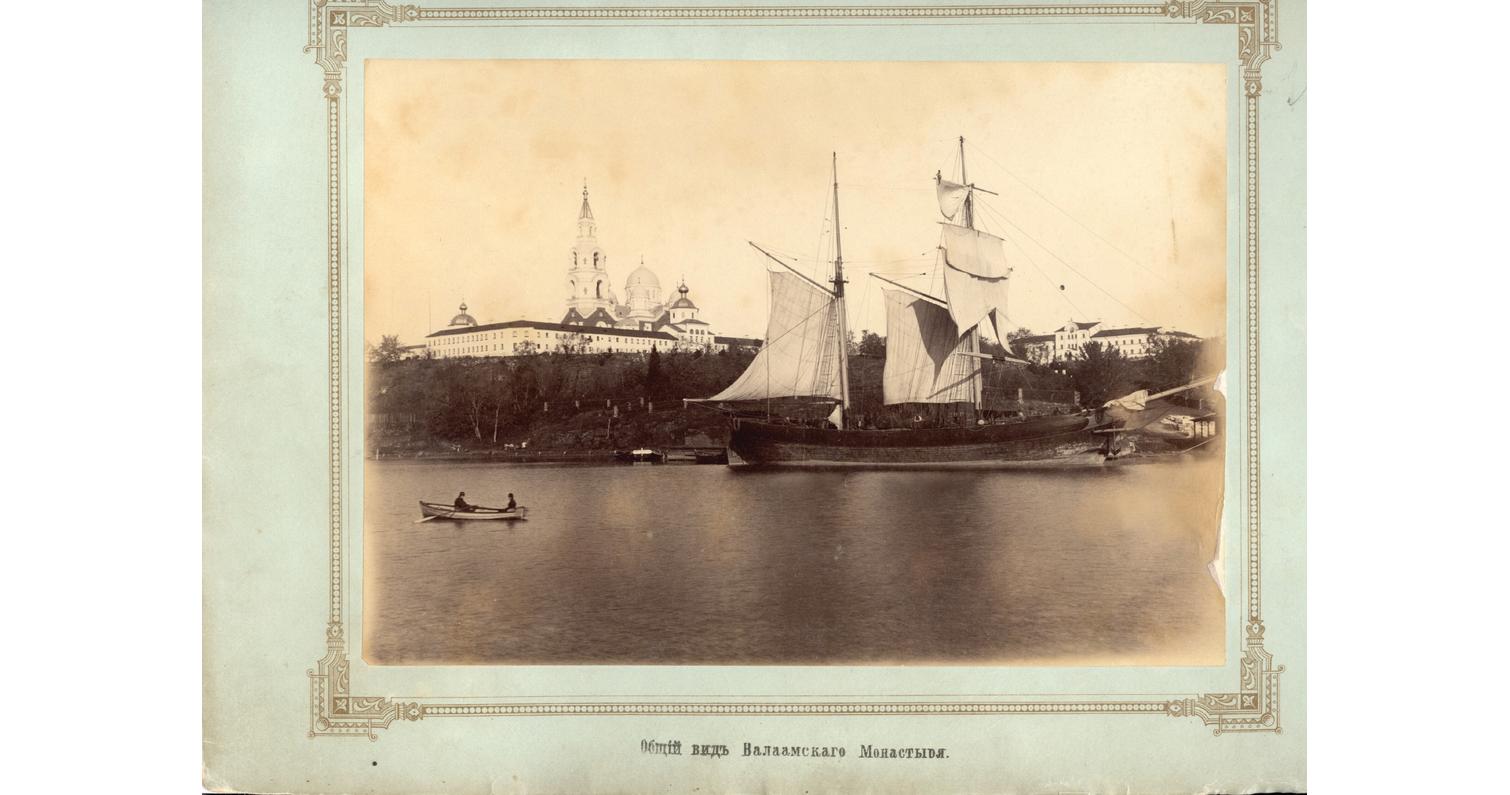
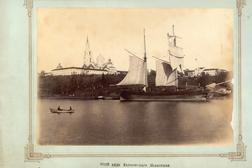
According to tradition, Valamo Monastery was founded in the 12th century, or at the latest in the 14th century. Its founding fathers are revered as the two saints who practiced asceticism on Valamo Island, Sergius and Herman of Valamo.

The monastery's long history includes periods marked by both strong growth and difficult trials. The first true flourishing phase dates to the late 16th century. In the early 17th century, the monastery was so thoroughly destroyed that there was no monastic activity in Valamo for over a hundred years.
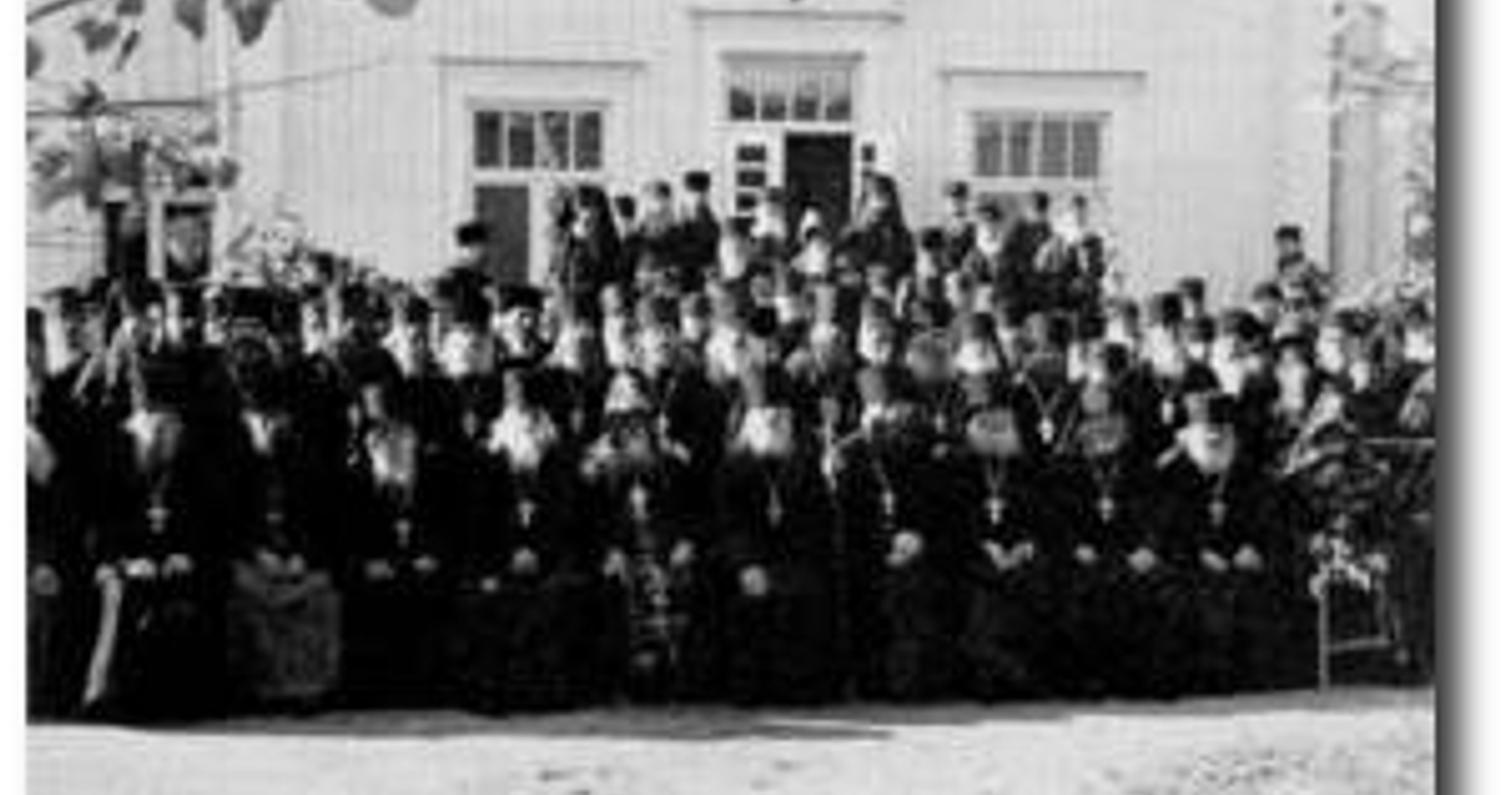
The monastery's new rise began with Peter the Great's decree in 1716 to rebuild Valamo. From the late 18th century to the early 20th century, the monastery experienced a true golden age, both spiritually and materially: Hegumen Nazari, who initiated the construction work, and Hegumen Damaskin, who continued his work, created a true grand monastery in Valamo, with twelve sketes, or side monasteries, surrounding the main monastery. The monastery, living off agriculture, also operated many craft workshops, and the spiritual life of the brotherhood diligently performing obediences flourished, supported by the traditional system of guiding elders. At its most numerous, the brotherhood consisted of as many as 359 monks and 562 novices in 1913.

However, the First and Second World Wars dramatically affected the monastery's course. The monastery, operating under the Orthodox Church of Finland, was evacuated in February 1940, and a brotherhood of about 200 members found a new home in Papinniemi, Heinävesi.

In the following decades, the monastery's continuity was threatened as the brotherhood inevitably aged and thinned. However, the 1970s proved to be the prelude to the monastery's new growth. A new stone church was built on the monastery hill, and new ascetics began to join the brotherhood. The monastery's main livelihood also changed with increasing tourism. Today, the monastery is a place of asceticism for a brotherhood of fewer than twenty members, Finland's most significant center of Orthodox culture, and a popular tourist destination.

Monastic Tradition

The Orthodox monastic tradition extends through Constantinople and Mount Athos in Greece to the Middle East and the deserts of Egypt. From the monasteries of Athos, the first Greek monks arrived in Novgorod and Karelia possibly as early as the 10th century. One of these was St. Sergius, who traveled through Kyiv and Novgorod to Lake Laatokka and was the first to undertake asceticism on Valamo Island.

The lives of all Orthodox ascetics are united by the same centuries-old rules, whether they struggled as hermits, in sketes established as ascetic sites for a few people, or in coenobitic monasteries. The rules of hermitic life were created by St. Anthony the Great (251-356), known as the founder of monasticism. The rules of communal life, in turn, were established by St. Pachomius the Great (286-346). The regulations of St. Basil the Great (330-379) are considered the true cornerstone of the Orthodox monastic institution.

Sergius and Herman of Valamo

The monastery's chronicle states that the Greek-born monk Sergius arrived in Valamo on Lake Laatokka as early as the 10th century. According to tradition, he was later succeeded by the Karelian-born monk Herman. The Venerable Fathers Sergius and Herman also showed the brotherhood the way to Heinävesi. When choosing the new location for the monastery, a decisive factor was an icon depicting the Venerable Fathers, found in the main building of the Papinniemi manor, owned by Minister Yrjö Herman Saastamoinen, whose presence in Papinniemi the brothers considered divine guidance.

From Laatokka to Heinävesi

The 1917 revolution severed the monastery's ties with Russia. Soon thereafter, Valamo and other Orthodox monasteries within Finland's then-borders, Konevitsa and Petsamo, were joined to the Orthodox Church of Finland. Rassophore monks and novices had already been called to the First World War before the revolution. After these stages, the number of aspiring monastic residents plummeted, and the ranks of the brotherhood began to thin. By the Second World War, the brotherhood had shrunk to a quarter of its size compared to the period before the First World War. The new World War forced the monastic residents on an evacuation journey. Valamo's valuable artifacts were evacuated in February 1940 by Finnish army trucks across an ice road built over Lake Laatokka. The monastery's brotherhood settled in Papinniemi, Heinävesi, that same autumn, where monks from Petsamo and Konevitsa monasteries later also moved.

A New Rise

By the 1970s, almost the entire brotherhood from Valamo on Lake Laatokka rested in the Papinniemi cemetery. For a moment, daily services were left to only one elderly priest-monk, Father Simforian.

However, the 1970s proved to be the prelude to Valamo's new growth. At the beginning of the decade, the monastery began translating the church's liturgical texts into Finnish. Thus, the monastery's daily services opened up richer than before to pilgrims. This revival, originating from within the monastery, was supported by the idea of building a new church. With the assistance of many supporters of the monastery, a stone main church was consecrated in 1977. At the same time, the monastery switched to using the Gregorian calendar, and Church Slavonic, which had been the language of worship, changed to Finnish. During these years, new ascetics also began to settle in the monastery again.

From Agriculture to Tourism

In the early 1970s, the Trapesa cafe-restaurant, built in the old cowshed, was put into use. The former carriage shed was renovated to serve as the Red Guest House, and the monastery's hotel was completed in 1983. Later, a cultural center housing a library, monastery museum, and conference facilities (1984), a service center with reception, a wine shop, souvenir shop, and office spaces (1986), and a folk high school with accommodation buildings (1989) were built on the monastery hill. The expansion of the cultural center's museum and exhibition spaces was completed in autumn 2006. The monastery still receives a small portion of its income from the land. The harvest from abundant currant plantations is processed into berry wines and liqueurs at the winery operating in the monastery courtyard since 1998. Herbs grown in the monastery have also been used as raw materials in beverages. In recent years, agricultural activity has grown again with increased garden cultivation, beekeeping, and sheep farming. Craft traditions also live on: the monastery operates a candle factory, which annually produces approximately 1500 kilograms of traditional beeswax tapers for the monastery's needs, as well as other beeswax candles and items. In addition, the brotherhood produces prayer ropes, icons made with various techniques, and souvenirs, among other things.

Igumens of Valamo Monastery 1758-

Hegumen Jefrem 1758-1781
Hegumen Nazari 1781-1801
Hegumen Innokenti 1801-1823
Hegumen Jonafan 1823-1830
Hegumen Varlaam 1830-1833
Hegumen Venjamin 1833-1839
Hegumen Damaskin 1839-1881
Hegumen Jonafan 1881-1891
Hegumen Gabriel 1891-1903
Hegumen Vitali 1903-1905
Hegumen Pafnuti 1905-1907
Hegumen Mavriki 1907-1918
Hegumen Pavlin 1918-1933
Hegumen Hariton 1933-1947
Hegumen Jeronim 1948-1952
Hegumen Nestor 1952-1967
Archimandrite Simforian 1969-1979
Archimandrite Panteleimon 1979-1997
Archimandrite Sergei 1997-2021
Archimandrite Mikael 2022-

Note: Bishop Arseni of Joensuu served as acting head of the monastery 2011-2012